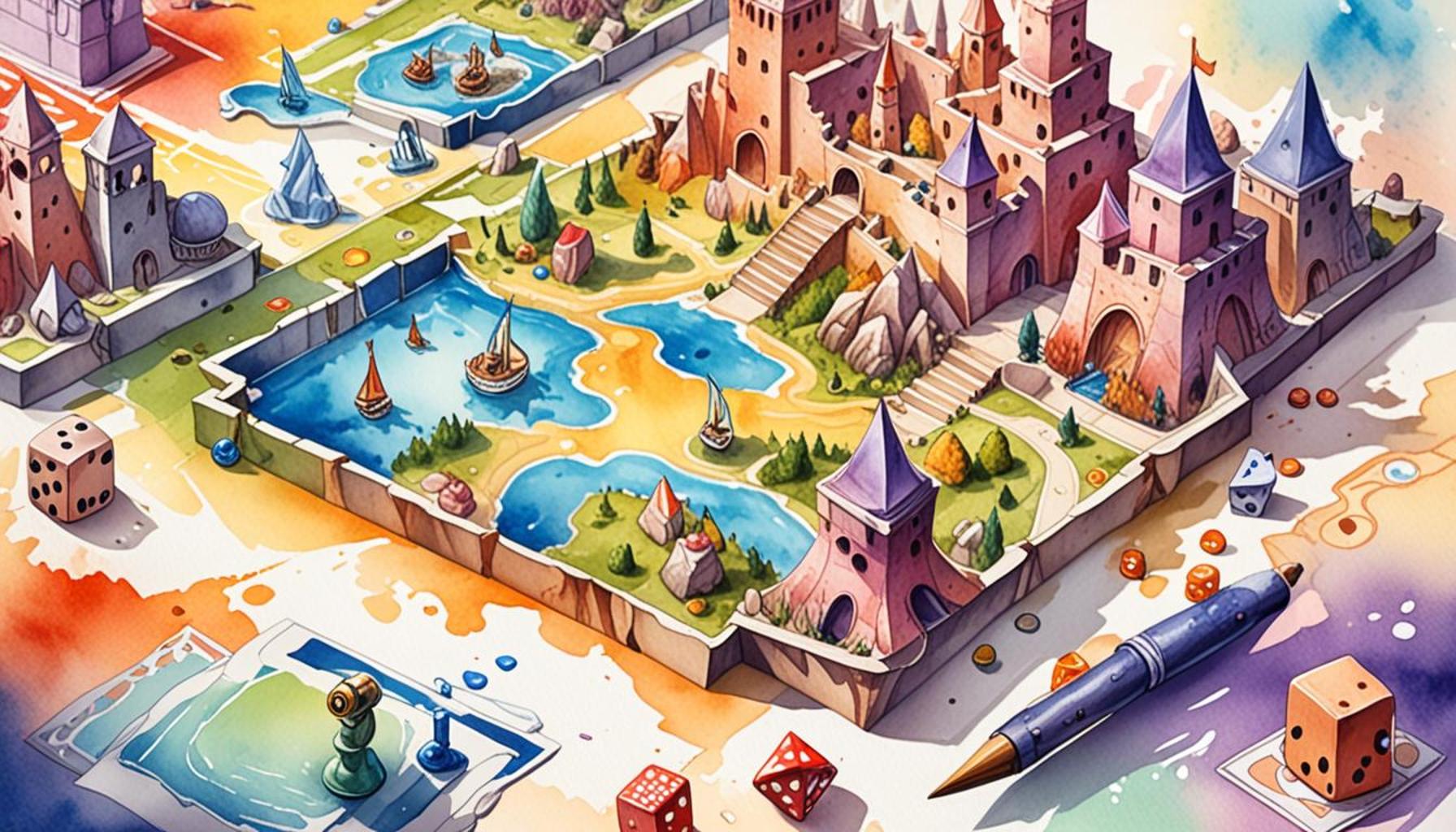
The Impact of Group Strategy Games on Cooperation and Social Skills in Children
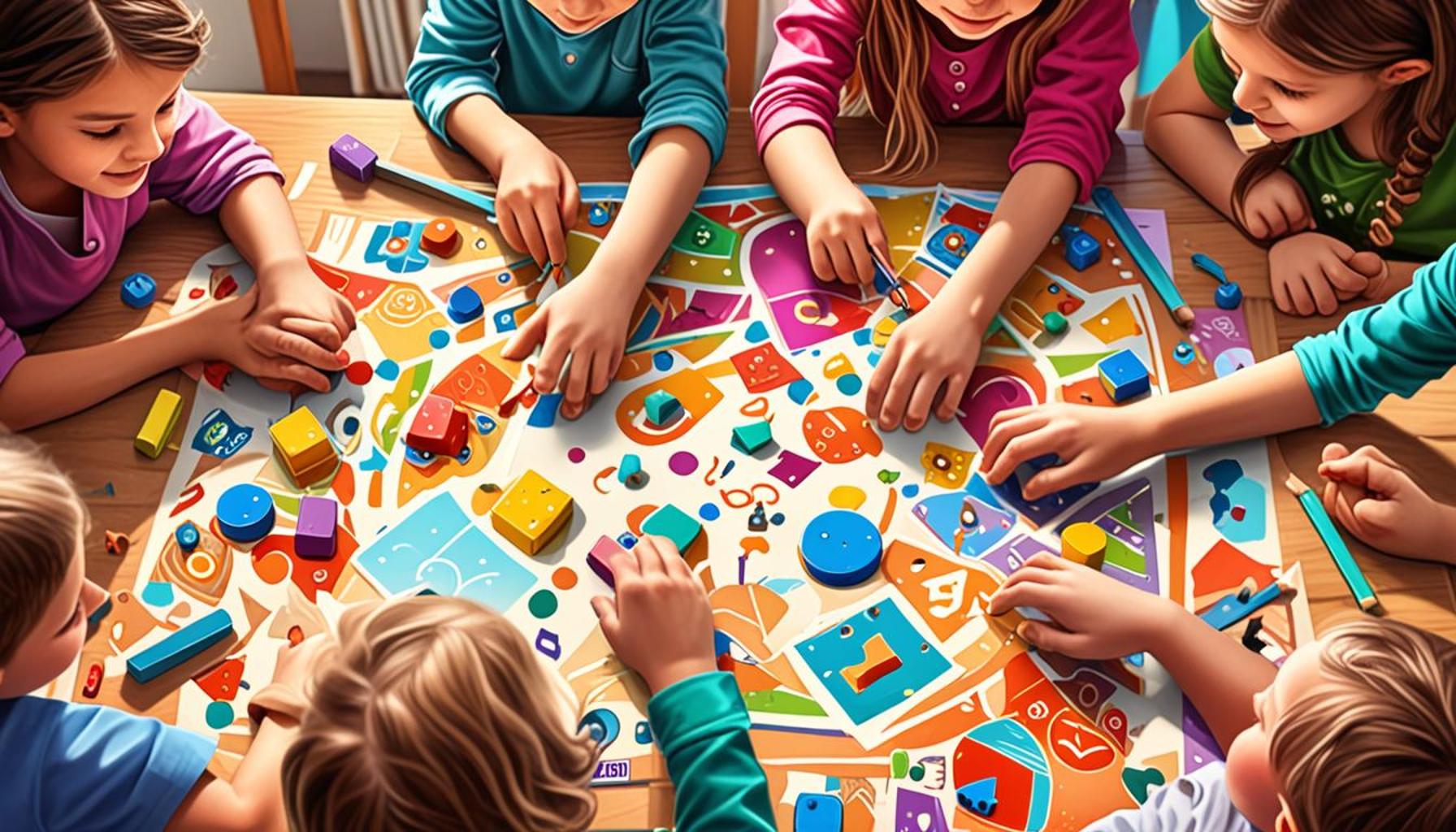
Understanding the Role of Game-Based Interactions in Child Development
In today’s digital age, children are increasingly drawn to group strategy games that not only entertain but also foster important skills. These digital and physical games encourage interaction among peers, building a range of competencies that extend beyond the screen. As more children engage with these games, it’s essential to explore the implications mainstream gaming holds for social development.
The benefits of engaging in these interactive experiences include:
- Teamwork: Players learn to work together towards a common goal, often having to rely on each other’s strengths. For instance, games like “Fortnite” or traditional local games like “Ludo,” require players to collaborate effectively to achieve victory.
- Communication: Effective dialogue is essential for developing strategies and tackling challenges. In community settings, children learn to articulate their thoughts clearly, which can translate into better conversational skills in real-life scenarios.
- Problem-solving: Players must think critically and creatively to navigate complex scenarios. This is evident in games like “Chess,” where strategizing and anticipating the opponent’s moves are crucial components of gameplay.
In Nigeria, various studies and observations from schools showcase how local games naturally encourage interaction among children. These traditional games often hold rich cultural significance and promote skills that are vital in a communal society. The key aspects they encourage can be summarized as follows:
- Shared decision-making: Children’s involvement in strategizing fosters a sense of agency and responsibility. For instance, in games such as “Ayo,” players must collectively decide on moves that can affect the game’s outcome.
- Conflict resolution: When differences in opinion arise during play, children learn to negotiate effectively, which hones their ability to address disputes amicably in other areas of life.
- Empathy: Understanding teammates’ strengths and weaknesses fosters a supportive environment. In team setups, acknowledging each player’s unique contribution not only enhances group success but also nurtures compassion among players.
As children engage with these group strategies, they are not merely playing; they are building the foundations for future social interactions. The growing interest in such games invites further investigation into their long-term impact on cooperation and social skills in a rapidly developing society like Nigeria. As communities increasingly rely on digital impressions and shared experiences, understanding this connection provides valuable insights into how future generations might navigate interpersonal relationships in both virtual and real-world contexts.
The evolution of gaming as a cultural phenomenon suggests that its role in fostering social development warrants ongoing examination. By observing the nuanced ways that gameplay influences collaboration and emotional intelligence, parents, educators, and policymakers can better support positive outcomes in children’s social skills for years to come.
ADDITIONAL INSIGHTS: Expand your understanding here
The Transformative Power of Group Strategy Games
As children dive into the dynamic world of group strategy games, the impacts on their social and cooperative skills are profound and multifaceted. These games, whether digital forms like “League of Legends” or traditional games like “Dame,” provide an engaging platform for children to not just play but to learn and grow together. In Nigeria, where community and teamwork play significant roles in daily life, the lessons garnered through these games often resonate with cultural values, enhancing the significance of gameplay beyond mere entertainment.
One of the most immediate benefits of participating in group strategy games is the development of teamwork skills. Children quickly learn that success in these games is not solely dependent on individual performance but heavily reliant on the ability to collaborate and harness collective strengths. For instance, in a game like “Spyfall,” players must share information, reach consensus on actions, and work seamlessly with one another to unearth the hidden spy amongst them. Such interactions enable children to appreciate diverse perspectives while reinforcing the importance of unity in achieving attainable objectives.
The role of communication cannot be overstated in the realm of group strategies. As children navigate complex game scenarios, they become adept at articulating their thoughts and ideas. This isn’t just about verbal exchanges; non-verbal cues, active listening, and emotional expressions enhance their overall communicative nuances. A use case worth noting is reflective in schoolyard settings where children engage in cooperative games, discovering how to discuss play strategies or resolve in-game conflicts quickly and effectively. Children breathing life into their ideas equips them with lifelong skills vital for success in their academic and professional futures.
Moreover, group strategy games position children in environments ripe for problem-solving. Faced with challenges, players exemplify critical thinking and adaptability as they devise strategies and modify plans in real-time. In games like “Connect Four” or even rural Nigerian games that mirror strategic movements, children learn that one must think several steps ahead, a skill that transfers optimally into their academic endeavors. This cognitive stretch not only enhances their analytical abilities but also bolsters their self-confidence when approaching real-world problems.
To encapsulate the benefits of engaging in group strategy games, here are some of the key skills nurtured through play:
- Negotiation Skills: Kids learn to advocate for their ideas while also weighing others’ perspectives.
- Conflict Management: Disagreements during play serve as practice ground for resolving disputes amicably.
- Leadership Abilities: Children step up to take charge in team settings, developing confidence and a sense of responsibility.
- Social Awareness: Understanding the emotional states of teammates fosters empathy, crucial for future interpersonal relationships.
In sum, it is evident that the impact of group strategy games on cooperation and social skills in children presents multifarious benefits. These games do not merely serve as a vehicle for fun; they lay the groundwork for vital social competencies essential for thriving in a community-oriented society like Nigeria. By harnessing these interactions, we can envision a generation of children equipped with the essential tools for building positive relationships, both as friends and future leaders.
The Significance of Group Strategy Games
Group strategy games serve as a unique platform for children to cultivate essential social skills and cooperation. These games are designed not only to provide entertainment but also to foster teamwork and communication among players. Through interactive play, children learn to navigate social dynamics, engage in meaningful dialogues, and build lasting relationships. In an environment that encourages collaboration, children can practice critical thinking and problem-solving skills, which are crucial in both academic and personal life. The engaging nature of these games typically results in longer playtimes, offering rigorous opportunities to hone their interpersonal skills.
Encouraging Empathy and Understanding
In a group setting, players often find themselves in scenarios that require them to consider the perspectives and feelings of their peers. This cultivates a sense of empathy and understanding, essential elements for effective communication. Children who participate in strategy games learn to appreciate diverse viewpoints and the importance of compromise. The negotiation skills gained during gameplay can translate to improved behavior in schools and at home.
Boosting Self-Esteem Through Team Success
When children work together towards a common goal in group strategy games, they experience the thrill of collective success. This shared achievement can significantly boost their self-esteem and confidence. Recognizing that their contributions have tangible effects on the group’s outcome allows children to develop a greater sense of belonging and self-worth. Moreover, the failures faced during these games provide opportunities to learn resilience; children understand that setbacks are a part of the process, which promotes a growth mindset.
Real-World Implications
The skills learned through group strategy games extend beyond playtime. As children grow, the cooperation and communication skills they developed become invaluable in their educational journeys and future workplaces. Engaging in these interactive environments helps foster leaders who are not only strategically minded but also emotionally intelligent. Educators and parents are encouraged to embrace these games as valuable tools in social and personal development.
| Category 1 | Category 2 |
|---|---|
| Team Collaboration | Children develop teamwork skills by working together to achieve goals. |
| Social Interaction | Games encourage dialogue and relationships, fostering strong social bonds. |
As we delve deeper into the ways group strategy games foster childhood development, there remains a plethora of opportunities for research and exploration. Understanding how these games impact not only behavior but also cognitive and emotional development can provide valuable insights for educators, parents, and healthcare professionals alike.
ADDITIONAL INSIGHTS: Expand your understanding here
Fostering Emotional Intelligence and Resilience
Beyond teamwork and problem-solving, group strategy games are instrumental in nurturing emotional intelligence among children. As they engage in competitive and cooperative play, children learn to recognize their own emotions and those of their peers. This is especially vital in a culturally rich context like Nigeria, where interpersonal relationships are key. Games often mimic real-life situations, enabling children to connect with each other emotionally, fostering a sense of community and mutual understanding. For example, in a game like “Dame,” where players must continually adapt their strategies based on their opponents’ moves, children are compelled to gauge their teammates’ emotions, building empathy and fostering stronger social connections.
In addition to emotional intelligence, group strategy games bolster a child’s resilience. With gaming, setbacks and defeat are part and parcel of play. Learning how to handle loss—whether it’s by executing strategic mistakes or being outsmarted—teaches children that failure is a stepping stone to success. This is pivotal for their personal growth. For instance, games often provide a safe space where children can experiment with different approaches without fear of severe consequences, leading to a mindset where they can bounce back from disappointment. Cultivating resilience at a young age lays the foundation for handling the challenges of adult life, enhancing their ability to cope with adversity.
The Role of Cultural Context in Gameplay
In Nigeria, where traditional values permeate many aspects of life, group strategy games also reflect the importance of cultural nuances. Many local games emphasize community spirit, which translates effortlessly into modern group strategy games. The collaborative elements found in traditional games, such as “Ajegunle” or “Oware,” promote shared objectives and collective success. Such experiences can bridge generational gaps as children and parents engage in gameplay together, providing a bonding opportunity that reinforces cultural heritage while teaching essential social skills.
Furthermore, the impact of interdisciplinary skills gained from group strategy games should not be overlooked. As children navigate these engaging platforms, they enhance not only social skills but also cognitive abilities across subjects. For instance, understanding the strategies behind a game can hone a child’s mathematical reasoning or spatial awareness. In an educational context, these games can serve as a springboard for creative teaching strategies, allowing educators to integrate gaming within lesson plans to cultivate engaged and informed learners who thrive in collaborative settings.
Engagement and Participation
The sheer nature of these games cultivates a sense of participation that is crucial for children’s social development. Unlike solitary games or individual activities, group strategy games necessitate active involvement from all players. Children learn to take turns, share responsibilities, and value each other’s input. This participatory aspect is vital in instilling a sense of belonging and community, encouraging children to invest in one another’s success rather than focusing solely on personal achievements. In gameplay settings like school clubs or afterschool programs, these interactions foster a network of friends, bolstering their confidence and encouraging lifelong relationships.
With the growing popularity of local esports events and gaming competitions, children are also exposed to structured environments where they can showcase their collaborative skills. These events underline the value of teamwork and cooperation, creating a competitive yet inviting atmosphere where children from diverse backgrounds come together, enriching their social interactions and collective experience while having fun.
ADDITIONAL INSIGHTS: Expand your understanding here
Conclusion: Embracing Collaboration through Gameplay
In summary, the transformative influence of group strategy games on children’s social skills and cooperation cannot be understated. As outlined throughout this article, engaging in these games cultivates essential life experiences that promote emotional intelligence, resilience, and community spirit. The collaborative nature of gameplay encourages children to communicate effectively, empathize with their peers, and embrace the art of teamwork. These skills are crucial as they navigate the challenges of personal and academic growth.
Moreover, the intersection of modern gaming and traditional Nigerian games demonstrates the importance of cultural context. By integrating local games that emphasize cooperation and shared success, children not only learn social skills but also strengthen their ties to their heritage. This dual benefit allows them to recognize the significance of collaboration while celebrating their roots, creating a rich tapestry of learning that enhances their social interactions.
Ultimately, as children participate in group strategy games, they are not only developing the cognitive and emotional skills necessary for academic success but are also paving the way for healthier interpersonal relationships. With ongoing advancements in educational approaches, integrating gameplay into curricula can further foster an environment where cooperation and social skills thrive. For parents, educators, and community leaders, encouraging participation in these games can serve as a vital investment in the social development of children, preparing them for a future where collaboration is the key to success.