Problem-Solving Strategies Through Board Games and Puzzles
Unlocking Cognitive Benefits
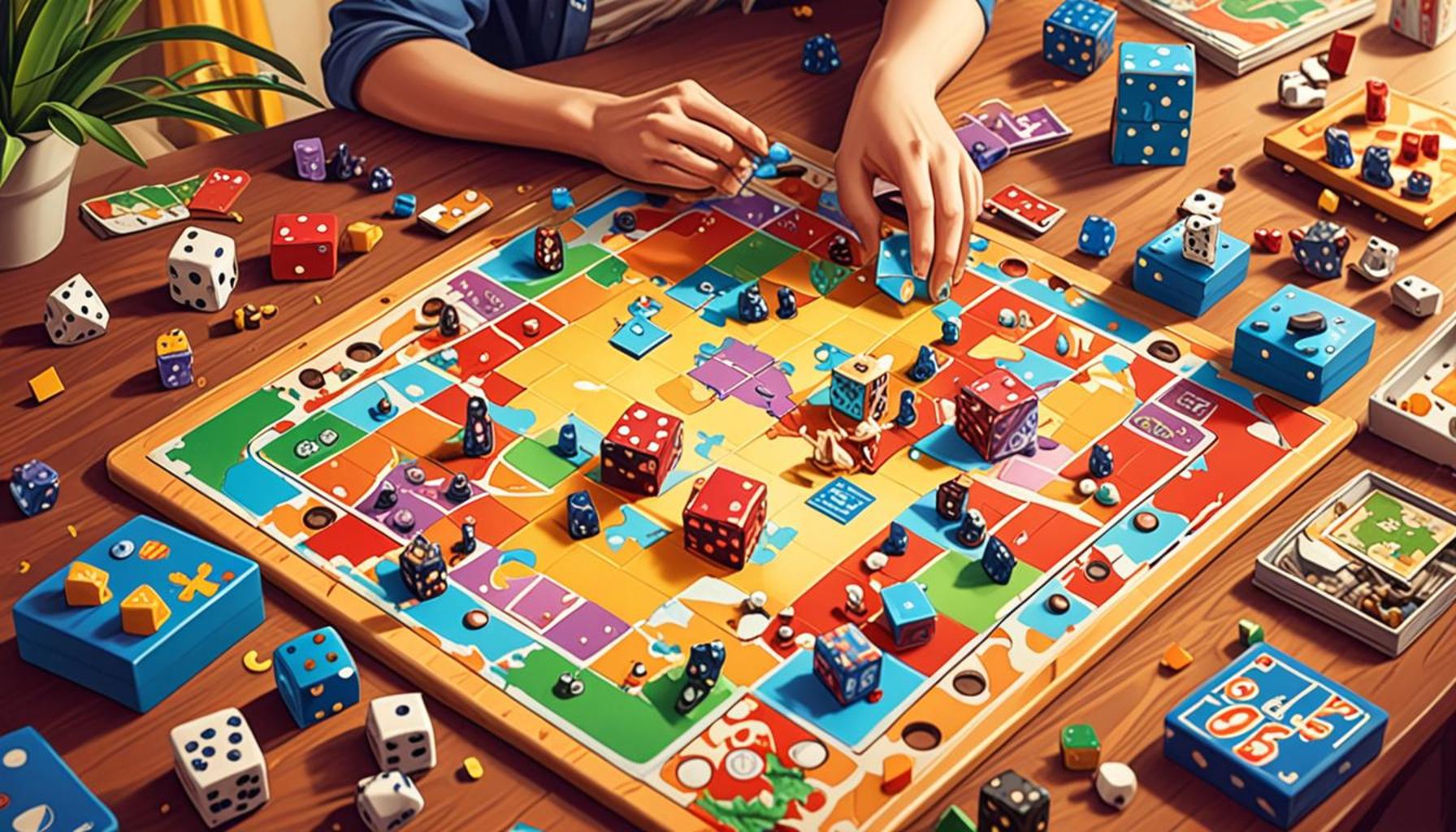
In an age dominated by technology, board games and puzzles remain timeless treasures that stimulate the mind. These engaging activities do not just entertain; they also challenge our cognitive abilities and enhance our problem-solving skills. From traditional African games like ayo to modern classics like chess, these pastimes reveal their potential in teaching strategic thinking.
Why Choose Board Games and Puzzles?
Participating in board games and puzzles offers various advantages, including:
- Critical Thinking: Each game presents unique challenges that require players to think critically about their next move. For instance, in chess, a player must evaluate potential threats while considering long-term strategies, fostering a mindset that goes beyond the immediate play.
- Collaboration: Many board games encourage teamwork, fostering cooperation and communication skills. Games like Pandemic require players to work together to win, illustrating the importance of strategic discussions and planning. In Nigeria, teamwork is particularly valued, making collaborative games essential for interpersonal skill development.
- Creativity: Engaging with different scenarios in games can spark innovative ideas and solutions. For instance, in games such as Catan, players must devise new methods to manage resources, mirroring creative problem-solving in real-life situations.
In Nigeria, the local gaming culture provides an enriching context for learning. Traditional games often incorporate elements of strategy, enabling players to develop problem-solving strategies in a socially engaging format. Games like Ludu and Damii not only entertain but also challenge players to think tactically and anticipate opponents’ moves, which can translate into everyday decision-making skills.
As we delve deeper into this topic, we recognize the significance of memory enhancement, strategic planning, and adaptability fostered through regular engagement in these games. Critical thinking extends beyond the board, impacting academic performance, workplace efficacy, and daily life.
Exploring Varied Techniques
Ultimately, understanding the value of board games and puzzles extends beyond mere entertainment. They serve as valuable tools in everyday life, enhancing our ability to navigate challenges both on and off the playing field. For example, learning the rules of a game can improve memory retention, while playing competitive games sharpens one’s instinct to react swiftly under pressure.
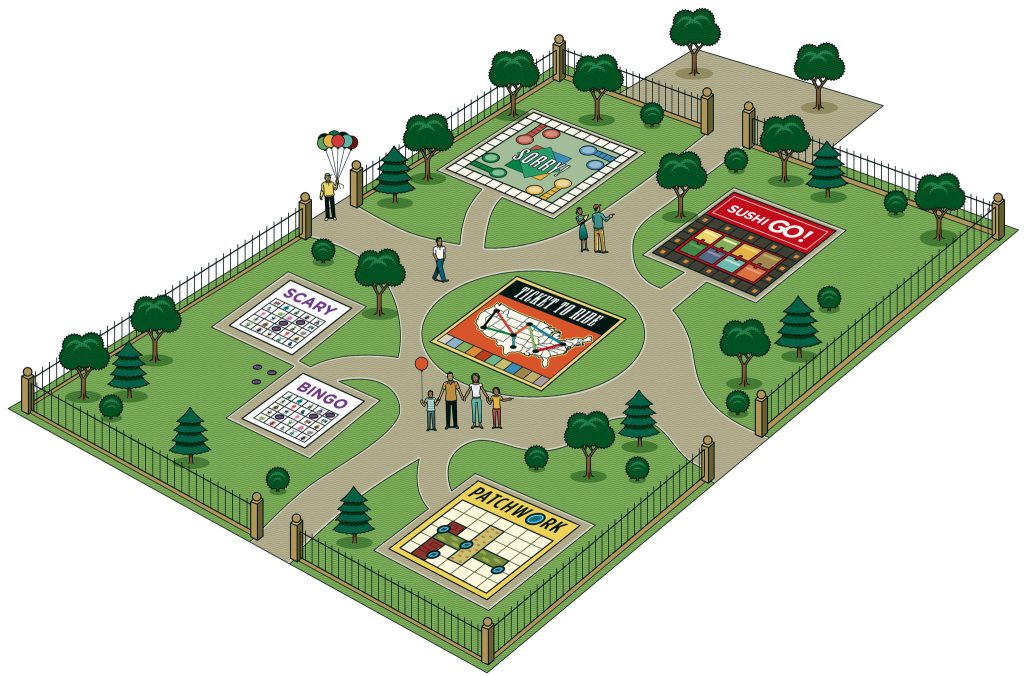
Moreover, board games can be integrated into educational settings in Nigeria, providing a hands-on approach to learning complex subjects, from mathematics to history. The excitement of gameplay can motivate students to engage more actively in their lessons, fostering a culture of curiosity and inquiry.
Join us as we explore the fascinating world of problem-solving through these creative mediums. Understanding the broad impact of board games and puzzles can lead to richer interpersonal connections and more proficient cognitive skills, enhancing our everyday lives in profound ways.
YOU MAY ALSO LIKE: Read read another article
Understanding Problem-Solving Through Gameplay
So why are board games and puzzles regarded as effective tools for developing problem-solving strategies? The answer lies in their inherent design, which challenges players to navigate through complex situations while honing a series of cognitive skills. Games like Scrabble and Chess facilitate not just leisure but also the cultivation of analytical reasoning, foresight, and adaptability—all essential components of effective problem-solving.
Cognitive Skills Enhanced by Board Games
Board games and puzzles are often underestimated in their capacity to develop intellectual skills. Engaging with these games can yield significant cognitive benefits, including:
- Memory Improvement: Regular players often experience enhancements in memory retention. Games like Memory require participants to recall card placement, reinforcing memory pathways and boosting recall abilities in varied contexts, including academic and professional settings.
- Strategic Thinking: Strategy-based games like Catan challenge players to plan several moves ahead, anticipating their opponents’ strategies while strategizing their own. This long-term forecast cultivates a mindset that is integral to successful problem resolution.
- Emotional Intelligence: Engaging in competitive board games requires players to manage their emotions while dealing with the unpredictability of gameplay. This emotional nuance not only helps in personal relationships but also comes into play during conflict resolution in professional environments.
In Nigeria, where a diverse array of local board games are beloved, such as Oware and Ludu, the principles remain the same. These games engender not only recreational enjoyment but also cognitive benefits that can translate into everyday life. Players quickly learn to navigate the fine line between offense and defense, aiming to outsmart their opponents while managing their resources effectively.
From Playtime to Real-World Applications
More than just a few hours of fun, board games empower individuals with skills applicable in various real-world contexts. For example, when children play games like Monopoly or The Game of Life, they learn essential lessons about resource management, negotiation, and the impact of choices—all valuable in both personal finance and professional communication.
As Nigerian educators seek innovative ways to engage students, integrating board games into the curriculum emerges as a promising strategy. This approach personalizes learning experiences, allowing students to grasp complex concepts through the lens of gameplay. By creating a stimulating educational environment, educators not only increase enthusiasm for learning but also pave the way for lifelong skills in problem-solving.
In summarizing the benefits of board games and puzzles, it becomes evident that they serve as an intersection of fun and invaluable skill development. As we progress further into this topic, we will explore additional ways these interactive experiences can transform lives beyond the game board.
| Strategy | Description |
|---|---|
| Critical Thinking | Board games challenge players to evaluate situations and make informed decisions, enhancing critical thinking skills. |
| Cognitive Flexibility | Puzzles require shifting gears in problem-solving approaches, fostering cognitive flexibility in participants. |
| Teamwork | Many board games are designed for multiple players, highlighting the importance of collaboration and teamwork when problem-solving. |
| Strategic Planning | Players create tactics and strategies that keep them engaged, teaching them valuable life skills applicable in real-world situations. |
The benefits of engaging in board games and puzzles extend far beyond mere entertainment. They serve as effective tools for developing essential problem-solving strategies. For instance, games that require players to assess risks and predict outcomes can significantly improve their analytical skills. Similarly, challenging puzzles not only enhance concentration but also promote persistence, a vital trait needed when faced with complex situations. Additionally, these activities often require players to interact with others, which not only boosts social skills but also imparts lessons in negotiation and compromise, essential for resolving conflicts. Player experiences gathered from collaboration during gameplay can lead to stronger interpersonal relationships, ultimately resulting in more innovative problem-solving techniques. Engaging regularly in these activities enhances not just mental agility but encourages a lifelong love for learning and personal development. Discovering ways in which board games and puzzles interweave fun with skill-building can lead you to fascinating revelations about your own capabilities and how to apply them.
CHECK OUT: Click here to explore more
Bridging Skills Through Collaborative Play
While solo play has its merits, collaborative games take problem-solving strategies to another level by emphasizing teamwork. Games such as Pandemic and Codenames require players to communicate effectively, brainstorm solutions, and align their strategies to achieve a common goal. This interaction fosters not only social skills but also a deeper understanding of group dynamics, which are crucial in both academic and professional pursuits.
The Role of Communication in Problem-Solving
At the heart of any collaborative game lies the need for communication. Players must articulate their thoughts clearly and persuasively to influence team decisions. In a diverse country like Nigeria, where various ethnic groups and cultures blend, games are a powerful medium to enhance communication skills. For instance, local games like Whot! and Ampe often prompt players to negotiate terms and strategize together, harnessing unique insights from different perspectives to overcome challenges.
This collaborative aspect mirrors real-world scenarios where professionals from varying backgrounds join forces to tackle complex issues. Research indicates that teams composed of diverse individuals often outperform homogenous groups, showcasing creative problem-solving approaches that emerge from varied experiences. Thus, engaging in collaborative board games can serve as a microcosm for larger societal interactions and innovations.
Developing Critical Thinking through Puzzles
Puzzles offer a different yet equally engaging route to sharpen problem-solving skills. The act of piecing together a large jigsaw puzzle, for example, necessitates a systematic approach—analyzing edge pieces, sorting colors, and recognizing patterns. This methodical thinking is not isolated to puzzles; it transitions into strategic analysis in business and academic settings.
Furthermore, educational puzzles such as Sudoku and crossword puzzles bolster logical reasoning and enhance vocabulary. In Nigeria, incorporating traditional puzzles like Adinkra symbols into learning environments not only provides cognitive benefits but also promotes cultural heritage, allowing students to see their history reflected in their problem-solving endeavors.
The Digital Age and Board Games
In an increasingly digital world, the advent of online board games has transformed the landscape of problem-solving strategies. Platforms like Tabletopia and Board Game Arena allow players to connect globally, bringing a myriad of strategy games to our fingertips. This accessibility is particularly beneficial in Nigerian urban areas, where technological engagement continues to rise. The ability to collaborate and compete with players worldwide cultivates a sense of global citizenship while reinforcing the core tenets of problem-solving.
Moreover, the rise of mobile apps and games tailored to education, such as Kahoot!, enables users to practice problem-solving in a format that is both dynamic and interactive. These platforms can help engage the younger generations, melding learning with gaming in a way that feels relevant and enticing—a crucial factor in enhancing educational outcomes.
The interconnectedness of problem-solving skills acquired through board games and puzzles cannot be overstated. They are a vibrant pathway to personal development, cultural exchange, and enhanced communication, leading individuals not only to navigate games but also to thrive in life beyond the confines of the board.
SEE ALSO: Click here to read another article
Conclusion: Unlocking Potential Through Play
In summary, the exploration of problem-solving strategies through board games and puzzles reveals a rich tapestry of opportunities for personal growth and skill development. Whether engaging in collaborative games that foster crucial communication and teamwork or diving into the intricate world of puzzles that sharpen critical thinking abilities, each activity serves as a microcosm for broader real-life problem-solving scenarios. The natural blend of competition and collaboration cultivates essential skills that transcend the gaming table, preparing individuals for the diverse challenges of the modern world.
Particularly in a multi-ethnic society like Nigeria, where interactions among diverse cultures can yield innovative solutions, leveraging local games and traditional puzzles enriches the experience even further. This not only enhances cognitive abilities but also promotes cultural heritage, ensuring that in learning through play, the histories and experiences of various communities are honored and shared.
As we navigate an increasingly digital landscape, integrating technology with classic gameplay opens new horizons for engagement. Platforms enabling global connections ensure that Nigerian players can share their unique problem-solving perspectives while drawing inspiration from others worldwide. As educators and parents recognize the benefits of these strategic tools, a stronger emphasis on incorporating board games and puzzles into learning will undoubtedly yield prosperous outcomes for younger generations.
Ultimately, we are reminded that through the lens of play, vital skills can be nurtured, encouraging not just gaming success but a profound capacity to tackle life’s challenges with creativity and collaboration. The journey from the board to the real world is not just about winning the game, but about unlocking the potential within.