The Impact of Group Puzzle Games on Collaborative Problem Solving
Understanding Collaborative Problem Solving
In an era where rapid globalization and technological advancements are the norms, the ability to collaborate effectively has never been more critical. Collaborative problem solving extends beyond individual capabilities and fosters essential skills such as teamwork, communication, and innovative thinking. One unique avenue for enhancing these skills is through group puzzle games.
The Role of Group Puzzle Games
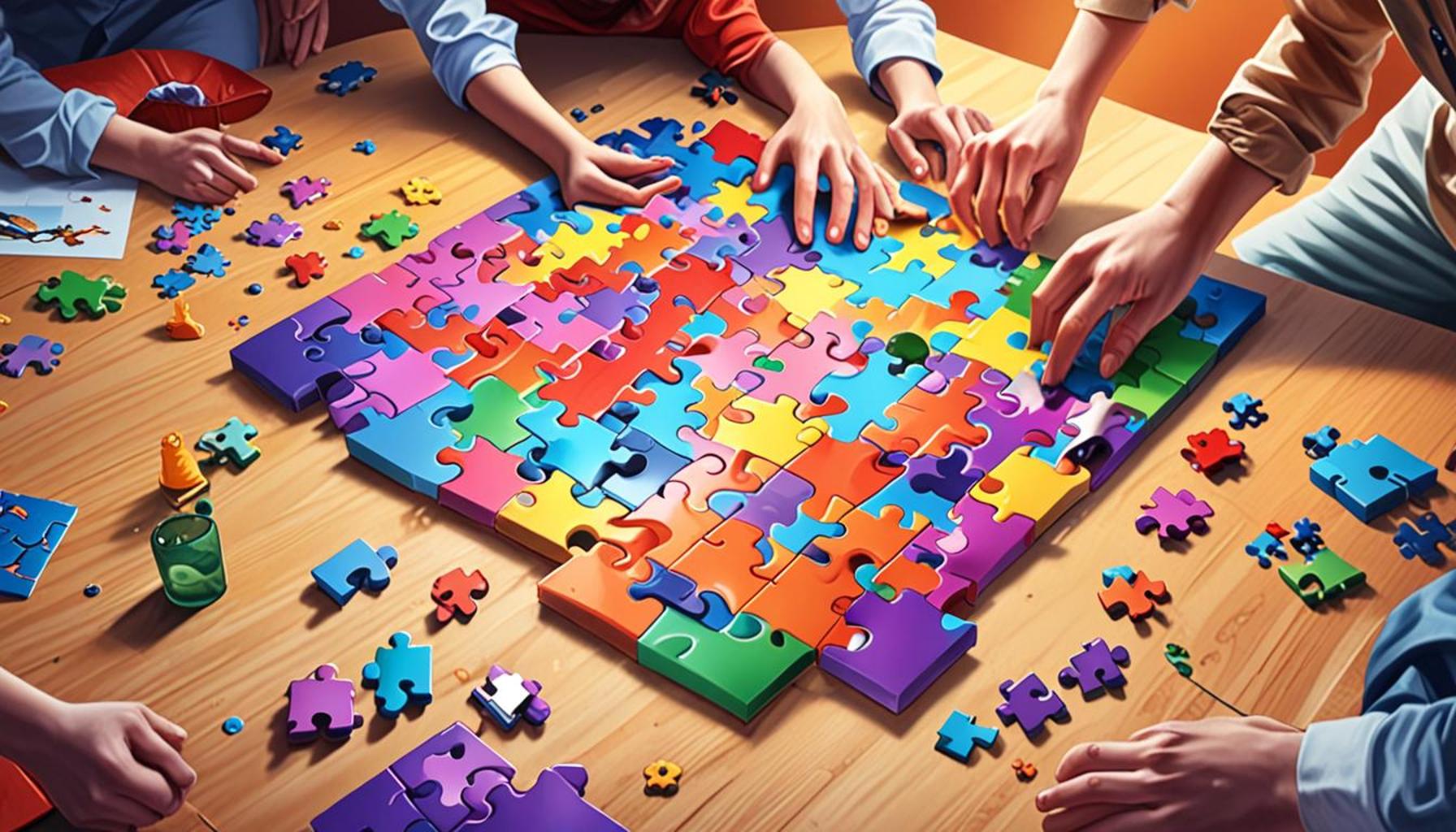
Group puzzle games are not merely a form of entertainment; they are dynamic tools that create an engaging environment for players to learn and grow. These games challenge players to think outside the box while simultaneously working hand-in-hand with their peers. For instance, puzzles that require diverse contributions—like escape rooms or jigsaw puzzles with missing pieces—demand that each participant shares their insights, thereby enhancing communication.
Through these interactions, players become adept at clearly articulating their thoughts, significantly boosting their ability to convey complex ideas. They learn to listen actively and negotiate opinions, which are vital skills in any collaborative setting.
Development of Critical Thinking
Playing group puzzle games effectively nurtures critical thinking skills. Participants often face scenarios that require strategic analysis and logical reasoning. For example, when faced with a riddle or a challenging scenario in a puzzle, teams must assess the problem, identify implications, and devise a plan of action quickly. Such exercises train the mind to approach real-world challenges methodically and efficiently.
Creating a Sense of Team Cohesion
Another significant outcome of engaging in these games is the promotion of team cohesion. Working towards a common objective, such as completing a puzzle, fosters camaraderie among participants. In Nigeria, initiatives in schools or community centers have seen students from different backgrounds come together over a puzzle game, breaking social barriers and enhancing relationships. For example, a mixed-class event in Abuja where students had to solve puzzles collaboratively demonstrated the joy and unity that can emerge through mutual efforts.
Inspiring Creativity
Group puzzle games also inspire a creativity boost. By encouraging players to think creatively to find solutions, participants often discover innovative pathways to approach not only the puzzles but also challenges in other areas of life. A community event in Kaduna, where participants tackled unique puzzles designed to reflect local culture, sparked fresh ideas in art and local entrepreneurship among the youth.
Community Engagement and Personal Growth
In conclusion, as Nigeria continues to embrace the concept of cultural exchange, group puzzle games stand out as effective solutions for promoting collaboration across diverse communities. They serve as crucial instruments for fostering skills that are pivotal to personal development and community engagement. Not only do these initiatives emphasize entertainment, but they also contribute to nurturing a more interconnected and problem-solving-oriented society.
As we delve deeper into this subject throughout the article, we will uncover real-life examples and expert insights that highlight the powerful impact of group puzzle games in enhancing collaboration and problem-solving capabilities. Together, we can unravel the myriad of opportunities these games present in our communities.
SEE ALSO: Click here to read another article
Unlocking Brainpower Through Play
Group puzzle games not only entertain but also serve as an effective medium for honing essential collaborative problem-solving skills. These interactive experiences create a unique learning atmosphere where participants engage in cognition, critical decision-making, and innovative thought processes while working towards a shared goal. Whether participating in a virtual escape room or piecing together a giant jigsaw puzzle, players are presented with challenges that can only be overcome through teamwork.
The Mechanics of Collaboration
At the heart of group puzzle games lies a complex web of interpersonal dynamics that enhances collaborative problem-solving. Players must navigate through uncertainties and engage in mutual problem-solving techniques, which involves:
- Effective Communication: Sharing thoughts and opinions in a respectful manner is vital. This not only ensures that every team member feels heard but also introduces diverse perspectives, leading to innovative solutions.
- Active Listening: Participants develop patience and attentiveness as they practice understanding their teammates’ ideas, promoting a more cohesive team culture.
- Conflict Resolution: As differing viewpoints emerge, players learn to negotiate and resolve conflicts amicably, which is a fundamental skill in both personal and professional environments.
Each of these elements reinforces a culture of cooperation, allowing participants to recognize and capitalize on their individual strengths while collectively addressing challenges posed by the game. This process is particularly evident in educational settings within Nigeria, where teachers integrate group puzzle games into their curricula to cultivate teamwork among students. Programs in various secondary schools across Lagos have utilized this approach, witnessing improved student interaction and enhanced problem-solving capabilities.
The Fulfillment of Shared Goals
Achieving a common goal, such as finishing a puzzle or escaping a room, instills a sense of accomplishment in participants. This collective achievement fosters a positive group dynamic and builds a strong sense of belonging. In Kano, community-based initiatives have encouraged residents from various backgrounds to engage in cooperative puzzle-solving activities. These gatherings not only bridge social divides but also reinforce the idea that collaboration can lead to significant accomplishments.
The Impact of Diverse Perspectives
The varying backgrounds of participants play a crucial role in the problem-solving process during group puzzle games. Players bring unique experiences, skills, and insights, making the resolution of complex challenges more rich and multifaceted. For instance, when young adults from different tribes come together to solve a culturally themed puzzle set in Abuja, they not only share strategies but also learn about each other’s histories, enhancing cultural understanding.
This interplay of creativity, tactical thinking, and cultural exchange is what makes group puzzle games an invaluable tool for fostering collaborative problem-solving skills. As we continue to explore this topic, the following sections will delve deeper into how these interactive games can be leveraged to build stronger teams and communities across Nigeria, making way for a future that values collaboration and effective problem-solving.
The Enhancing Power of Group Puzzle Games
Group puzzle games have gained prominence not only as leisure activities but also as powerful tools for enhancing collaborative problem-solving skills. As teams engage in these interactive challenges, they develop several core competencies that extend beyond the game itself.
| Category | Description |
|---|---|
| Team Communication | These games foster effective communication among team members, essential for exchanging ideas and solutions. |
| Critical Thinking | Players enhance their critical thinking skills as they analyze puzzles and develop strategies to overcome challenges. |
As participants navigate through intricate scenarios presented in group puzzle games, they are essentially training their brains to approach real-world problems with a collaborative mindset. Engaging in these activities can lead to significant shifts in team dynamics, creating a supportive environment for innovative solutions. It’s an opportunity for team members to unleash their creativity, leverage diverse perspectives, and enhance their overall problem-solving abilities.
Furthermore, these games can also promote a sense of camaraderie among players, reinforcing interpersonal relationships that are vital in any collaborative environment. As players celebrate small victories together, they cultivate a shared sense of achievement that translates into higher productivity and teamwork.
Harnessing the impact of group puzzle games could very well be the key to unlocking deeper levels of collaborative problem-solving within teams, paving the way for improved creative output and performance.
CHECK OUT: Click here to explore more
Building Trust Through Team Dynamics
In group puzzle games, an underlying element that significantly enhances collaborative problem-solving is the establishment of trust among team members. The ability to rely on one another transforms casual players into cohesive teams, empowering them to tackle challenges more effectively. This trust is built through shared experiences and requires participants to be open, honest, and vulnerable with one another. The initial discomfort of unfamiliarity begins to dissipate as players work through tasks, leading to remarkable levels of camaraderie.
Empowering Leadership Dynamics
Another benefit of group puzzle games is the organic emergence of leadership roles within the team. As players engage in challenges, specific individuals may naturally step into leading positions, guiding the group by orchestrating strategies and delegating tasks. This fluidity of leadership not only creates a nurturing environment for participants to express their ideas but also allows for the development of leadership skills essential in both social and professional contexts. Notably, participants learn to balance assertiveness with inclusivity, acknowledging that effective leadership thrives on the contributions of each team member.
Enhancing Cognitive Flexibility
Moreover, group puzzle games are designed to engage players in a way that requires them to pivot between various perspectives rapidly. This cognitive flexibility is essential for collaborative problem-solving. For example, a recent puzzle event in Kaduna allowed different teams to approach a complex riddle from multiple angles, encouraging players to think on their feet and adapt their strategies. This adaptability not only sharpens their cognitive skills but also prepares participants for real-world scenarios where quick adjustments and out-of-the-box thinking are paramount.
According to a study conducted by the University of Ibadan, participants who regularly engage in collaborative games exhibited a notable increase in their problem-solving efficiency, as they adapted their approaches and integrated opposing ideas. This adaptability can be directly tied to the environment fostered during game play, where players brainstorm and create solutions collectively, harnessing each other’s strengths.
Social Skills and Emotional Intelligence Development
In addition to improving problem-solving skills, group puzzle games promote the growth of social skills and emotional intelligence, crucial components of effective collaboration. Players engage in dialogues that require them to express empathy, support, and encouragement towards one another. For instance, during a group activity in Port Harcourt, participants noted how being able to encourage a teammate who struggled with a particular puzzle piece led to better group performance. The emotional support offered within the game context enhances team chemistry, allowing everyone to thrive.
Such experiences are particularly valuable in Nigeria’s diverse cultural landscape, where understanding and managing emotions can bridge gaps between different groups. The experience of cooperative puzzle-solving fosters a deeper understanding of both individual and collective emotional responses, cultivating a culture of collaboration that extends beyond the confines of the game.
With the ever-growing significance of collaborative problem-solving skills in Nigeria’s evolving workforce, leveraging group puzzle games as a training tool holds immense potential. By investing in such interactive methods, communities can empower individuals to collaborate more efficiently, ultimately crafting stronger teams that are capable of addressing complex challenges in real-world scenarios.
ADDITIONAL INSIGHTS: Expand your understanding here
Conclusion: The Transformative Power of Group Puzzle Games
In conclusion, the exploration of group puzzle games reveals their profound impact on enhancing collaborative problem-solving skills. Through building trust among players, fostering organic leadership, and enhancing cognitive flexibility, these interactive activities contribute significantly to the development of effective teamwork. Participants not only strengthen their problem-solving abilities but also refine essential social skills and emotional intelligence, crucial for navigating diverse interpersonal dynamics.
Furthermore, as Nigeria’s multifaceted cultural landscape presents unique challenges, the shared experiences offered by group puzzles can bridge cultural gaps, nurturing a sense of community and cooperation. The findings from recent events in locations such as Kaduna and Port Harcourt demonstrate the applicability of these games in real-world contexts, promoting adaptability and out-of-the-box thinking. The data from research institutions, such as the University of Ibadan, further highlights the transformative potential that group puzzle activities have on individuals’ collaborative efficiency.
As we move towards a future where teamwork and collaboration are paramount in both professional and social spheres, integrating group puzzle games into community and educational frameworks could yield remarkable results. These engaging tools not only empower individuals but also cultivate stronger, more cohesive teams capable of solving complex challenges. Embracing the concept of learning through play can create pathways for innovation and collective problem-solving, ultimately enriching the Nigerian workforce and society as a whole.