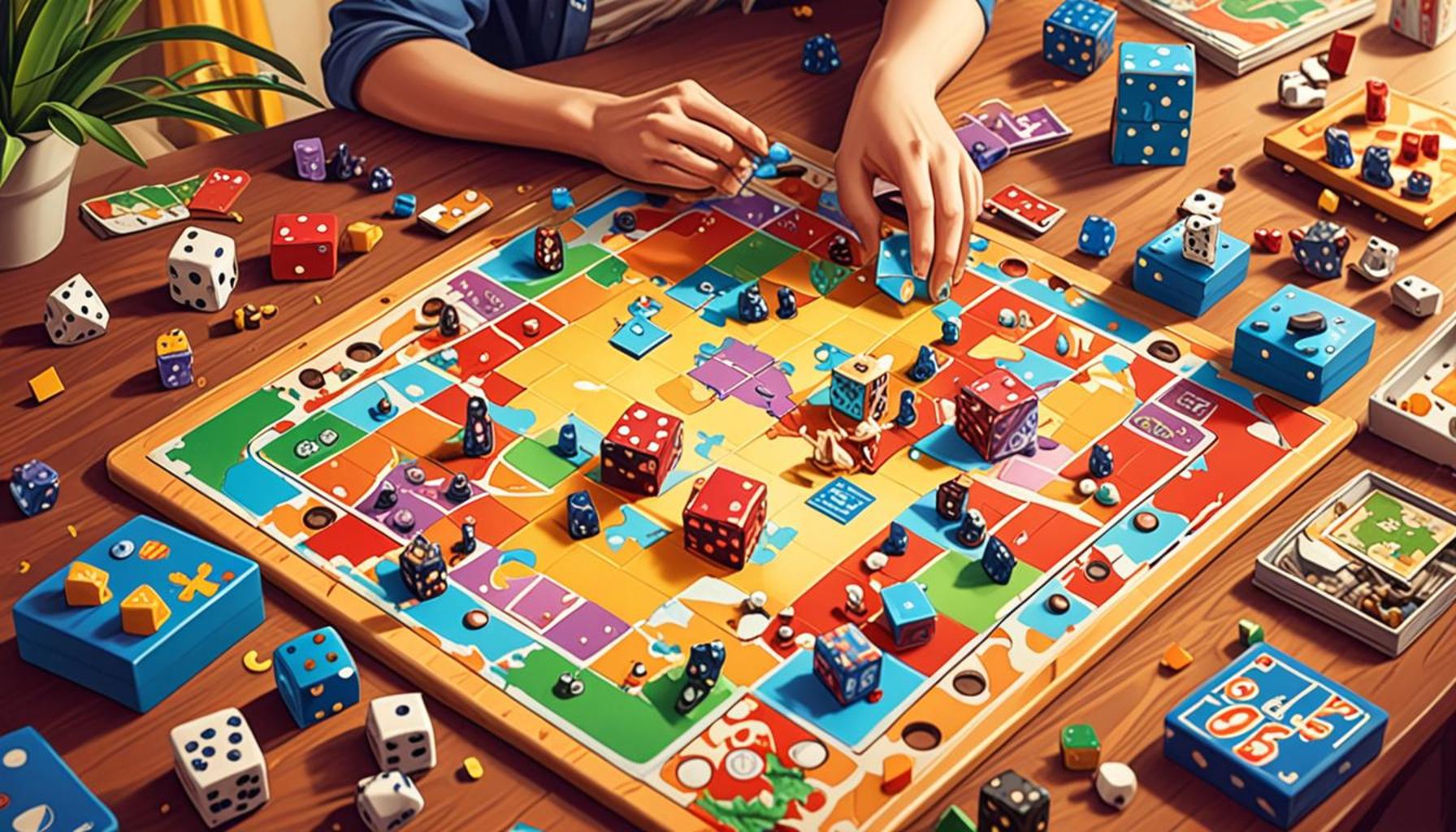
How Recreational Math Challenges Can Enhance Resilience in Problem-Solving
Unleashing the Potential of Recreational Mathematics
The concept of math as a daunting subject is gradually evolving, thanks in large part to the advent of recreational mathematics. This innovative approach reshapes traditional views by presenting mathematical concepts as engaging challenges rather than intimidating hurdles. As individuals dive into this playful realm of numbers, they discover a plethora of benefits, one of the most profound being the enhancement of resilience in problem-solving.
Why Recreational Math Matters
Recreational math is not just about numbers; it serves as a powerful tool for fostering valuable life skills through enjoyable activities. These challenges offer numerous advantages, particularly for young learners in Nigeria, where mathematics is pivotal for success in numerous fields. Below are some ways recreational math contributes to skill development:
- Boost Creativity: Engaging with math puzzles, games, and brainteasers stimulates out-of-the-box thinking. For example, solving tangrams or Sudoku not only requires logical reasoning but also demands creative approaches to reach a solution.
- Enhance Persistence: When faced with complex problems, learners often encounter setbacks. Recreational math teaches them to embrace failure as part of the learning process. This persistence is vital, as it prepares students for challenges in academics and life. For instance, in Nigeria’s competitive educational environment, a resilient mindset can lead to greater academic success.
- Promote Collaboration: Many recreational math activities are designed for groups, fostering teamwork and communication. Math bingo or collaborative problem-solving competitions create opportunities for students to develop collective strategies and share insights, vital skills in the workplace and society.
This unique approach to mathematics particularly resonates with students in Nigeria, where the need for math literacy is critical in fields like engineering, finance, and technology. By engaging with recreational math, learners can bridge the gap between what is taught in classrooms and how these concepts apply in real-life situations. This engagement can nurture a generation that not only appreciates mathematics but thrives in it.
Discovering Resilience
Through playful learning, individuals learn to view problems as opportunities rather than insurmountable challenges. This paradigm shift is essential for cultivating resilience, as it equips learners with the mental tools necessary to tackle future problems confidently. For instance, participating in math competitions or juggling multiple math puzzles simultaneously trains students to manage stress and think on their feet.
Furthermore, by engaging in challenges that require innovative solutions, participants better prepare themselves for both academic and real-world complexities. In Nigeria, where a rapidly changing economy demands a skilled workforce, these competencies become invaluable. Equipping the youth with the ability to approach challenges creatively and persistently will not only aid personal growth but also contribute to the nation’s development.
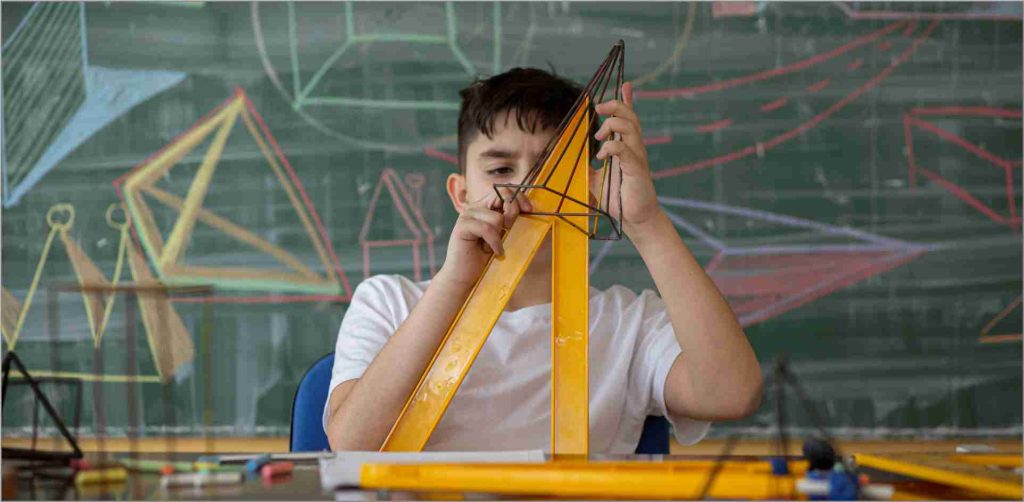
In conclusion, the cultivation of resilience through recreational math lays the groundwork for success, empowering individuals to embrace challenges and excel in their endeavors. It transforms learning into an adventure, fostering a love for mathematics that can last a lifetime. As educational initiatives in Nigeria continue to evolve, integrating recreational math into the curriculum could be a game-changing strategy for nurturing future leaders and innovators.
SEE ALSO: Click here to read another article
Building the Foundations of Resilience Through Recreational Math
As young learners engage with recreational math, they unknowingly embark on a journey of discovery that transcends mere number crunching. This journey provides them with a unique framework to build resilience—a vital attribute necessary for tackling life’s challenges. Unlike traditional mathematics, which can sometimes feel linear and restrictive, recreational math is steeped in creativity and flexibility. This shift in perception encourages learners not just to seek solutions but to relish the process of exploration and experimentation.
One notable aspect of recreational math is its emphasis on playful learning. Through activities like math scavenger hunts or engaging in logic puzzles, students find themselves in situations that require quick thinking, adaptability, and a willingness to learn from their mistakes. These challenges often require multiple attempts before a solution is found, simulating real-life scenarios where failure is not the end, but rather a stepping stone to success. This mindset is essential in Nigeria’s fast-paced academic landscape, where students are frequently faced with rigorous examinations and benchmarks.
Navigating Setbacks: Embracing the Challenge
Setbacks are an inevitable part of any learning process, and recreational math teaches students to navigate these hurdles with grace. When students engage in competitions such as the National Mathematical Challenge or local math-themed events, they learn that each failure presents an opportunity for growth. This resilience is critical not just academically but also emotionally, as young minds develop a robust self-esteem that fuels their determination and confidence.
Here are several key benefits that highlight how recreational math challenges foster resilience in problem-solving:
- Incremental Progression: Many recreational math tasks are structured in a way that allows for gradual complexity, enabling students to build their skills incrementally. By first tackling easier problems and then progressing to more challenging ones, they develop a greater sense of achievement and self-efficacy.
- Critical Thinking: Engaging in recreational math encourages students to think critically and analytically. In participating in activities such as math magic shows or mathematical storytelling, learners constantly adapt their strategies, which sharpen their cognitive flexibility.
- Spontaneity and Creativity: Math challenges encourage creative problem-solving approaches. For instance, when working on combinatorial puzzles or geometric constructions, students are required to think outside the box, further enhancing their ability to devise unique solutions under pressure.
Furthermore, these activities often serve as a communal space for learners—fostering a sense of camaraderie as they work together to solve problems. This social aspect not only enhances their skills but also reinforces the importance of teamwork and shared learning experiences. In Nigeria, where community and collaboration are integral to cultural norms, integrating recreational math into educational frameworks aligns seamlessly with societal values and can play a crucial role in shaping future generations.
Ultimately, as youngsters embrace the fun and creativity of recreational math, they cultivate a resilient mindset that will serve them far beyond the classroom walls. This enduring passion for math and problem-solving lays the critical groundwork for their future successes, both personally and professionally.
Exploring the Benefits of Recreational Math Challenges
Engaging in recreational math challenges serves as an intriguing avenue for not only enhancing problem-solving skills but also fostering resilience. These challenges push individuals beyond their comfort zones, requiring creative thinking and adaptability. By regularly confronting complex puzzles, participants not only improve their mathematical ability but develop a robust mindset that is crucial in real-world scenarios.
Math Games and Their Role in Resilience
Games such as Sudoku or logic puzzles present a fun and engaging way to tackle mathematical reasoning. These activities compel players to analyze various strategies, fail and retry, ultimately leading to a deeper understanding of problem-solving processes. The iterative nature of games encourages a positive relationship with failure, aiding in the construction of resilience and perseverance.
The Psychological Edge
Participating in these challenges can also offer substantial psychological benefits. As individuals engage with complex problems, they develop critical thinking capabilities and learn to remain calm under pressure, a crucial asset in many high-stakes environments. Over time, this comfort with uncertainty can lead to improved performance in other areas, both academically and professionally.
Strategies for Incorporating Recreational Math
Incorporating recreational math challenges into daily routines can be simple yet impactful. Consider dedicating a few minutes each day to solving a puzzle or exploring new mathematical concepts with friends or family. Forming a study group focused on fun math challenges not only encourages social interaction but also builds a community around shared learning experiences. This collaboration not only enhances individual resilience but fosters supportive networks that can help navigate complex challenges.
| Category | Advantages |
|---|---|
| Cognitive Flexibility | Improves ability to adapt and shift strategies when faced with new challenges. |
| Enhanced Problem-Solving Skills | Regular practice with math puzzles sharpens analytical thinking and reasoning skills. |
RECOMMENDED: Check out this similar article
Fostering a Love for Lifelong Learning
Engagement in recreational math not only bolsters resilience but also fosters a profound appreciation for learning that can extend well into adulthood. As learners tackle diverse challenges, they cultivate a mindset that equates hard work and perseverance with growth and mastery. This is particularly important in Nigeria, where the ability to adapt and learn continuously is essential in an ever-changing economic landscape.
A significant aspect of this process lies in how recreational math encourages self-directed learning. Unlike traditional methods that often rely on rote memorization, activities such as math riddles or pattern recognition games require students to seek out resources, collaborate with peers, or even turn to online platforms for insights. This exploration promotes autonomy, as students take charge of their educational journeys, leading to a greater sense of responsibility for their learning outcomes.
Collaboration and Community Building
The collaborative nature of recreational math challenges ignites a spirit of teamwork among participants. For instance, in community-driven initiatives such as local math clubs or mathematics fairs, students share ideas and strategies, enriching their understanding of concepts through peer interaction. This alignment of collaborative learning with the cultural fabric of Nigeria underlines the value of shared experiences, emphasizing teamwork as a necessity rather than an option.
Moreover, the social environment stimulates positive reinforcement among peers, where students uplift one another through encouragement and shared learning. Such environments not only enhance fundamental math skills but also cultivate interpersonal skills crucial for successful problem-solving. By learning to communicate effectively and work collectively, students build resilience that manifests in their ability to tackle future challenges with greater confidence.
Real-World Applications: Linking Theory to Practice
Recreational math does not just exist in a theoretical vacuum; it connects directly to real-world applications. Challenges such as the Math Olympiad or local problem-solving competitions often incorporate practical problems that mirror situations students might face in everyday life. For example, budgeting for a school trip or planning resource allocation for a community service project requires students to apply mathematical reasoning creatively. This emphasis on practical application instills a more profound understanding of math as a tool for problem-solving rather than merely a subject to be studied in isolation.
- Adaptability in Approach: When faced with practical challenges during these competitions, participants learn to adjust their problem-solving tactics based on available information and resources, further enhancing their capacity for adaptability.
- Developing a Growth Mindset: By engaging with a series of challenges and seeing the tangible outcome of their efforts, students develop a growth mindset that promotes resilience in the face of difficulty, encouraging them to see potential failures as stepping stones towards success.
- Networking Opportunities: Through competitions and collaborative harbors, students have access to a wider network that includes educators, professionals, and mentors, which can open doors for future career prospects while also providing invaluable guidance during their academic pursuits.
As both recreational math and resilience become interwoven in the fabric of students’ lives, the vision of skilled problem solvers gradually materializes— individuals who are not afraid of challenges but rather embrace them as pathways to growth and understanding. This foundational belief creates a culture of continuous improvement, ensuring that students are well-equipped to contribute positively to society, making them indispensable assets in the economically vibrant nation of Nigeria.
LEARN MORE: This related article may interest you
Conclusion: Building Resilience Through Engaging Math Challenges
In essence, recreational math challenges serve as a powerful tool for cultivating resilience in problem-solving among learners. By engaging with a variety of mathematical puzzles and competitions, students learn to view challenges not as obstacles, but as opportunities for growth and creativity. This shift in perspective is vital in a dynamic society like Nigeria, where adaptability and critical thinking are paramount for success in both academic and professional endeavors.
The synthesis of collaborative learning and real-world applications enriches students’ educational experiences. As they participate in mathematics clubs and competitions, learners develop vital interpersonal skills that enable them to communicate effectively and work efficiently within teams. These collaborative environments promote a culture of encouragement, where mistakes are seen not as failures but as crucial learning moments that enhance their resilience.
Furthermore, the integration of math challenges into everyday scenarios allows students to hone their problem-solving abilities while linking theoretical knowledge to practical applications. This connection underscores the importance of mathematics as a foundational skill rather than a mere academic subject, preparing students to tackle real-life problems with confidence and ingenuity.
Ultimately, by embracing the challenges that recreational math presents, students not only enhance their problem-solving skills but also build a robust framework for lifelong learning. This resilience will empower them to navigate future challenges effectively, ensuring they remain valuable contributors to Nigeria’s continually evolving landscape. As we recognize the impact of these initiatives, it becomes clear that fostering a love for recreational math is pivotal in molding resilient, capable individuals prepared to thrive in an increasingly complex world.