How Memory Games Can Strengthen Analysis and Problem-Solving Skills

The Impact of Memory Games on Cognitive Skills
As the global landscape becomes increasingly competitive, the ability to think critically and make swift decisions is not just an asset but a necessity. Memory games offer an engaging platform to bolster these vital cognitive abilities. While there is a burgeoning interest in modern memory-enhancing games, traditional games from Nigeria, such as *oko* and *ludu*, serve as excellent foundations for these cognitive exercises. These games are more than mere entertainment; they are tools that can sharpen our minds amidst the fast-paced challenges of everyday life.
The Cognitive Benefits of Memory Games
Memory games come packed with a variety of benefits that can transform the way we perceive and engage with the world around us. Below are some key features that highlight their significance:
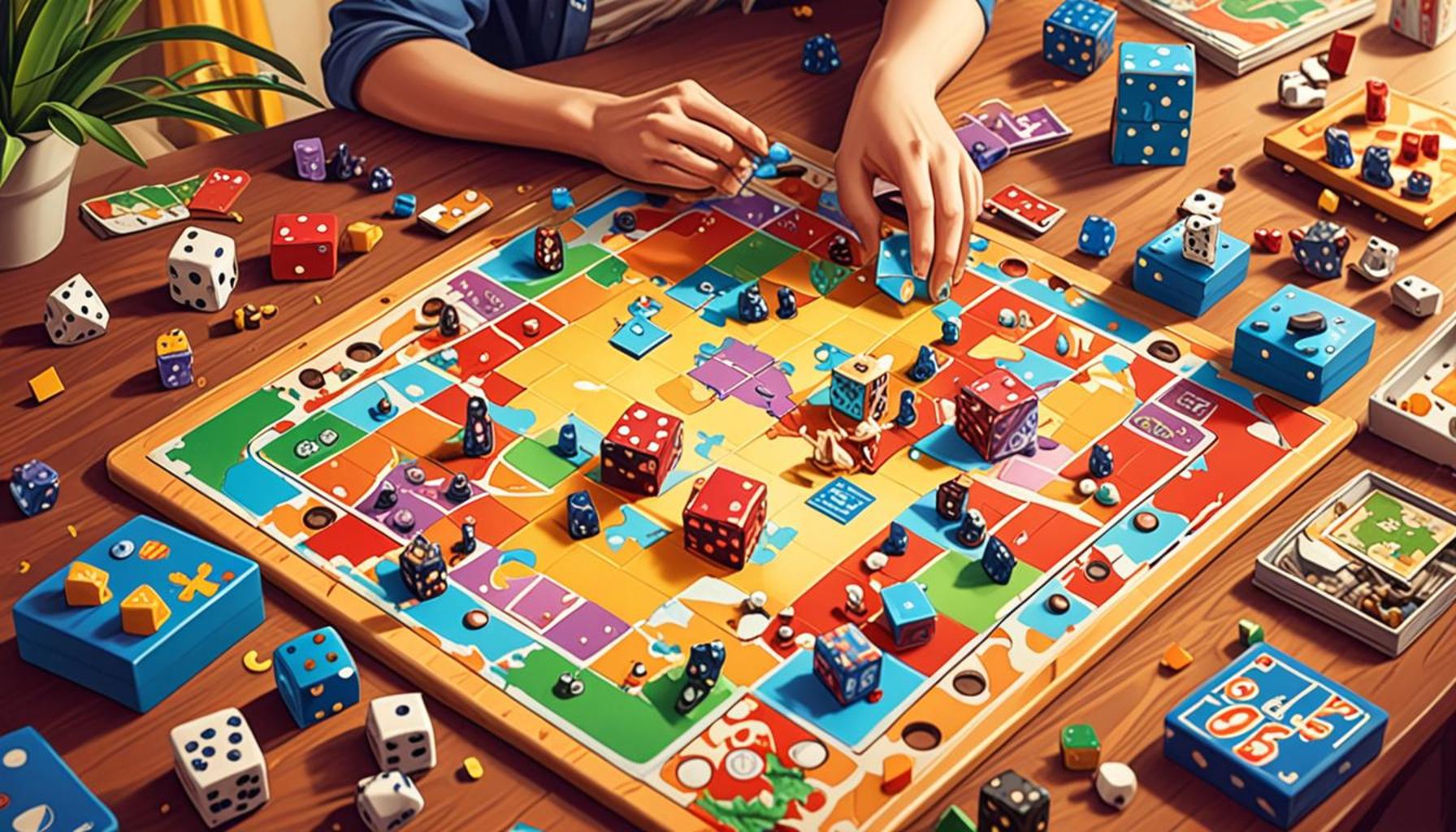
- Cognitive Skill Enhancement: Engaging with memory games significantly improves one’s capacity for memorization and retention, which are foundational for effective logical reasoning. For example, the classic *ludu* game requires players to remember the positions of their pieces on the board, which in turn enhances their recall abilities.
- Improved Concentration: The immersive nature of memory games trains players to focus intensely on specific tasks. This laser-like concentration can lead players to analyze situations more deeply, fostering better decision-making skills in both academic and professional settings. Consider how a student engrossed in a memory matching game may later apply that concentration to problem-solving during exams.
- Creative Problem-Solving: The challenges presented in memory games encourage players to think outside the box. Competing against others or trying to beat personal bests fosters innovative thinking and strategic planning. For instance, incorporating traditional *oko* scoring methods in a modern game could inspire players to devise unique strategies, thus enhancing creativity.
Incorporating Memory Games into Daily Life
Integrating memory games into your routine can be a powerful catalyst for significant cognitive growth. Whether utilized in the classroom or within workplace team-building exercises, these games can lead to increased efficiency and overall effectiveness. Teachers can use traditional games to break the monotony of lectures, engaging students in lively competition while reinforcing lessons on critical thinking.
Moreover, technology offers a plethora of digital memory game options that replicate traditional formats—making them accessible to a broader audience. Apps and online platforms provide varied levels of difficulty, allowing users to progressively challenge their minds. By engaging with these games regularly, you can not only enhance your memory but also develop a systematic approach to tackling complex problems.
Conclusion
As we navigate through various challenges in life, sharpening our analytical abilities through memory games may become essential. The fascinating intersection of tradition and modernity through games highlights their potential to provide both enjoyment and immense cognitive benefits. Exploring how these games can enhance your mental agility will open new doors to learning and success in diverse aspects of life.

ADDITIONAL INSIGHTS: Expand your understanding here
Unraveling the Mechanics of Memory Games
Memory games, at their core, are intricate puzzles that our brains work tirelessly to solve. By engaging in these entertaining challenges, players inadvertently cultivate essential analytical and problem-solving skills that extend beyond the confines of the gaming table. Through employing attention, strategy, and quick thinking, individuals can unravel complex situations with newfound ease, benefitting both personal and professional aspects of life.
The Mechanics Behind Cognitive Strengthening
The underlying principles of memory games provide a structured yet enjoyable method for honing cognitive skills. Below are some compelling aspects that illustrate their functionality:
- Pattern Recognition: Memory games are heavily focused on recognizing patterns and sequences. For instance, in a game of *oko*, players must identify the most effective moves by recalling previous turns and anticipating the opponent’s strategy. This practice sharpens analytical abilities, empowering individuals to decipher information rapidly and make informed decisions.
- Strategic Thinking: To excel at memory games, a player must plan several steps ahead. The art of evaluating possible moves and outcomes fosters a mindset geared towards analysis and prediction. A player immersed in a game of *ludu* learns to anticipate how opponents will respond to their actions, ultimately enhancing their ability to think critically under pressure.
- Emotional Regulation: Success in memory games often hinges on one’s ability to maintain composure amidst competition. This emotional management proves vital in real-life problem-solving scenarios, where anxiety or frustration can cloud judgment. Practicing patience and resilience during gameplay can lead to improved decision-making in high-stakes situations.
Memory Games in the Context of Nigerian Culture
In Nigeria, traditional memory games are not only a source of entertainment but also a cultural bridge that connects generations. Games like *ludu* and *oko* facilitate bonding while actively engaging the mind. By incorporating these games into social gatherings or family events, individuals not only enjoy leisure time but also promote cognitive growth within their communities. This communal aspect enriches the experience, fostering a collective emphasis on nurturing analytical prowess and problem-solving skills.
Incorporating these traditional elements into memory games creates an enriching atmosphere where players can learn and grow together. This highlights the importance of communal engagement in enhancing mental agility. By stepping away from solitary gaming and involving friends and family, players can push one another to develop sharper analytical thinking and better problem-solving skills.
Ultimately, memory games are a goldmine of cognitive benefits waiting to be explored. They tap into the fundamental skills we all possess and amplify them, turning casual fun into developmental opportunities. With every game played, an avenue for deeper understanding and better analysis emerges, laying a solid foundation for those who seek to excel in various aspects of life.
How Memory Games Can Strengthen Analysis and Problem-Solving Skills
Memory games offer a myriad of benefits that not only enhance cognitive functions but also develop critical skills like analysis and problem-solving. Through these games, participants engage in activities that actively challenge their recall abilities and require them to think strategically. Memory games compel players to analyze patterns, recognize sequences, and forecast outcomes based on prior experiences. This crucial cognitive engagement can translate into real-world applications, enhancing one’s analytical skills in various fields. Moreover, memory games foster a positive psychological environment where players can explore different problem-solving strategies without the fear of failure. As players encounter challenges in these games, they learn to approach problems from multiple angles, testing different methods until they find a solution. Studies have shown that consistently engaging in cognitive tasks like memory games enhances neuroplasticity, leading to improved brain function over time.Additionally, memory games encourage teamwork and communication when played in groups. By discussing strategies and observing others, players can develop their analysis skills in a collaborative setting. This social aspect helps to reinforce understanding and retention of knowledge, while also promoting social interaction critical for overall cognitive development.To further explore the advantages that memory games bring, consider how they could impact educational settings. Integrating these fun and challenging activities into classrooms could enhance student engagement and focus, ultimately leading to improved academic performance. Now, let’s delve deeper into the specific advantages of memory games in an organized format.
| Category | Key Features |
|---|---|
| Enhanced Focus | Memory games require full attention, which translates to improved concentration in other tasks. |
| Strategic Thinking | Players analyze patterns and sequences, sharpening their strategic problem-solving skills. |
These attributes illustrate just a fraction of how memory games can forge stronger analytical abilities and refined problem-solving skills, inviting players to harness their cognitive potential with every match played.
SEE ALSO: Click here to read another article
Memory Games as Tools for Educational Advancement
Memory games provide a captivating method for enhancing analytical thinking and problem-solving skills, particularly when utilized in educational contexts. As classrooms evolve, incorporating these games into curricula can enrich learning experiences and create student engagement. More than mere entertainment, such games can aid in enriching academic growth and cognitive development for Nigerian youths.
Embedding Memory Games into Learning
Incorporating memory games into educational frameworks is a powerful strategy. Various teachers across Nigeria have begun using games like *oko* and *ludu* in their lesson plans, capitalizing on their cognitive benefits. Below are ways in which memory games play a vital role in educational contexts:
- Enhancing Retention: Engaging with memory games can significantly improve retention rates among students. The act of recalling and matching pairs or sequences encourages memory consolidation. In subjects like mathematics or history, where recall is essential, utilizing memory games can aid students in committing formulas or facts to memory. This technique is particularly effective in areas of traditional Nigerian education, where rote memorization can be a challenge.
- Building Collaborative Skills: Memory games are excellent for fostering collaboration and teamwork. When students participate in group games, they learn the importance of communication, shared strategies, and collective problem-solving. This collaborative environment mirrors real-world scenarios where teamwork is essential, teaching students how to work effectively with others toward a common goal.
- Adapting to Different Learning Styles: Every student is unique and possesses varied learning styles. By integrating memory games into instruction, educators can cater to visual, auditory, and kinesthetic learners alike. For example, while a visual learner may benefit from colorful game boards, an auditory learner might gain insight from discussing strategies verbally with peers. This adaptability fosters an inclusive environment where all students can thrive.
- Encouraging Healthy Competition: Many children and adolescents are naturally competitive, and memory games harness this drive for a positive purpose. The thrill of playing against friends or classmates in a structured setting allows students to test their skills while boosting their confidence. As a result, they become more resilient in facing challenges both in and out of the classroom.
The Role of Digital Memory Games
In today’s digital age, the proliferation of technology-driven memory games presents another dynamic avenue for enhancing analysis and problem-solving skills. Numerous mobile applications designed to improve memory skills offer immediate feedback and varied challenges, appealing to tech-savvy younger generations.
Digital platforms provide an opportunity for any player, regardless of their physical environment. For example, students in urban cities like Lagos may use apps to play against peers nationwide, expanding their analytical abilities while learning from different cultural contexts. These applications often incorporate features that adapt the difficulty based on a player’s performance, ensuring continuous cognitive challenge.
Moreover, the integration of storytelling elements in some games can spark creativity and innovation, encouraging players to think outside the box. As individuals navigate through engaging narratives, they apply their analytical skills to solve intricate problems, making gameplay both educational and exhilarating.
With the rise of both traditional and digital memory games, Nigerian educators and parents are presented with a unique chance to bolster the analytical capabilities of the youth. Not only do these games equip them with necessary life skills, but they also unveil new pathways for engaging minds, perfecting the art of learning through play.
ADDITIONAL INSIGHTS: Expand your understanding here
Conclusion: The Transformative Power of Memory Games
In conclusion, the integration of memory games into educational frameworks offers a multifaceted approach to enhancing analytical thinking and problem-solving skills among Nigerian youths. By engaging students in enjoyable and interactive ways, these games not only enhance retention but also cultivate teamwork, cater to diverse learning styles, and promote healthy competition. The unique ability of memory games to adapt and evolve—especially in today’s digital realm—further enriches this learning experience, making it more accessible and relevant to modern students.
The impact of memory games extends beyond mere academic performance; they foster critical life skills that young individuals can carry throughout their lives. As students learn to navigate challenges within these games, they become more resilient and innovative thinkers. Consequently, it is essential for educators and parents in Nigeria to embrace this innovative teaching tool, turning play into profound educational advancement. Exploring different types of memory games, both traditional and digital, can spark curiosity and creativity among students, equipping them with the necessary competencies to thrive in an increasingly complex world.
As more schools and parents recognize the significant benefits of memory games, fostering a culture of learning through play may become a vital component of Nigerian education, empowering the youth to develop essential skills for their future endeavors. The journey into the world of memory games is not just about honing memory; it is a pathway to nurturing the next generation of analytical, problem-solving leaders.