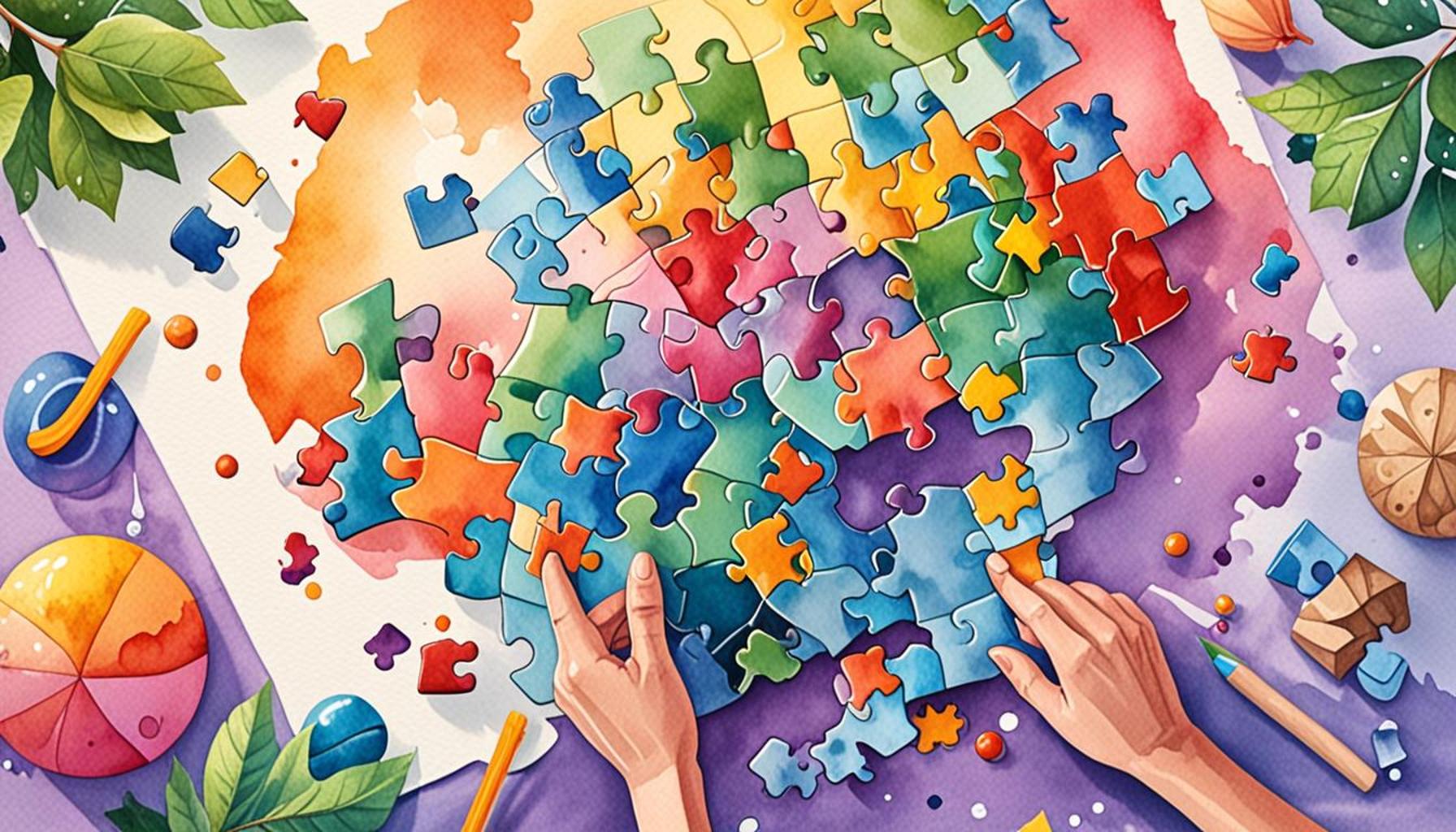
How Visual Puzzles Can Enhance Spatial Awareness and Problem-Solving Skills

Understanding the Importance of Visual Puzzles
Visual puzzles serve a dual purpose; they entertain while also challenging the mind to grow and adapt. The skills acquired from solving these puzzles are applicable not only in educational settings but also in everyday life and professional scenarios. Incorporating such mental exercises can yield profound benefits, particularly in regions like Nigeria, where innovative educational practices can be a game-changer.
Enhancing Spatial Reasoning
Improves spatial reasoning: Working with visual puzzles enhances the brain’s capacity to visualize, manipulate, and understand objects in three-dimensional space. For instance, a simple jigsaw puzzle requires players to recognize shapes and anticipate how pieces fit together, thereby enhancing their perception of spatial relationships. In Nigeria, children can benefit immensely from local variations of these puzzles, such as traditional wooden puzzles or those depicting local landmarks and cultures. These activities not only teach spatial awareness but also instill a sense of pride in their heritage.
Fostering Analytical Thinking
Boosts analytical thinking: Engaging with puzzles fosters systematic exploration and creative problem-solving tactics. Consider chess, a strategic game that promotes forethought, as one example. Children who take part in similar cognitive exercises develop critical thinking skills that can lead to improved performance in academics and beyond. Schools and community centers in Nigeria could emphasize these activities, paving the way for future leaders who can analyze situations and devise effective solutions.
Increasing Attention to Detail
Increases attention to detail: Visual challenges compel individuals to discern minor variations and patterns. This skill is essential not only in artistic pursuits, such as painting and design, but also in scientific fields where attention to detail can determine the success of experiments and research. For instance, implementing activities such as “spot the difference” games could sharpen focus among students, allowing them to transition these skills into their studies and eventual careers in medicine, engineering, or technology.
Integrating Visual Puzzles into Daily Life
In Nigeria, incorporating visual puzzles into daily routines can transform mundane study sessions into engaging challenges. Accessible tools like local puzzle games, online resources, and even mobile applications can be utilized. By promoting these interactive educational methods, communities can provide children with enriching experiences that augment their learning processes.
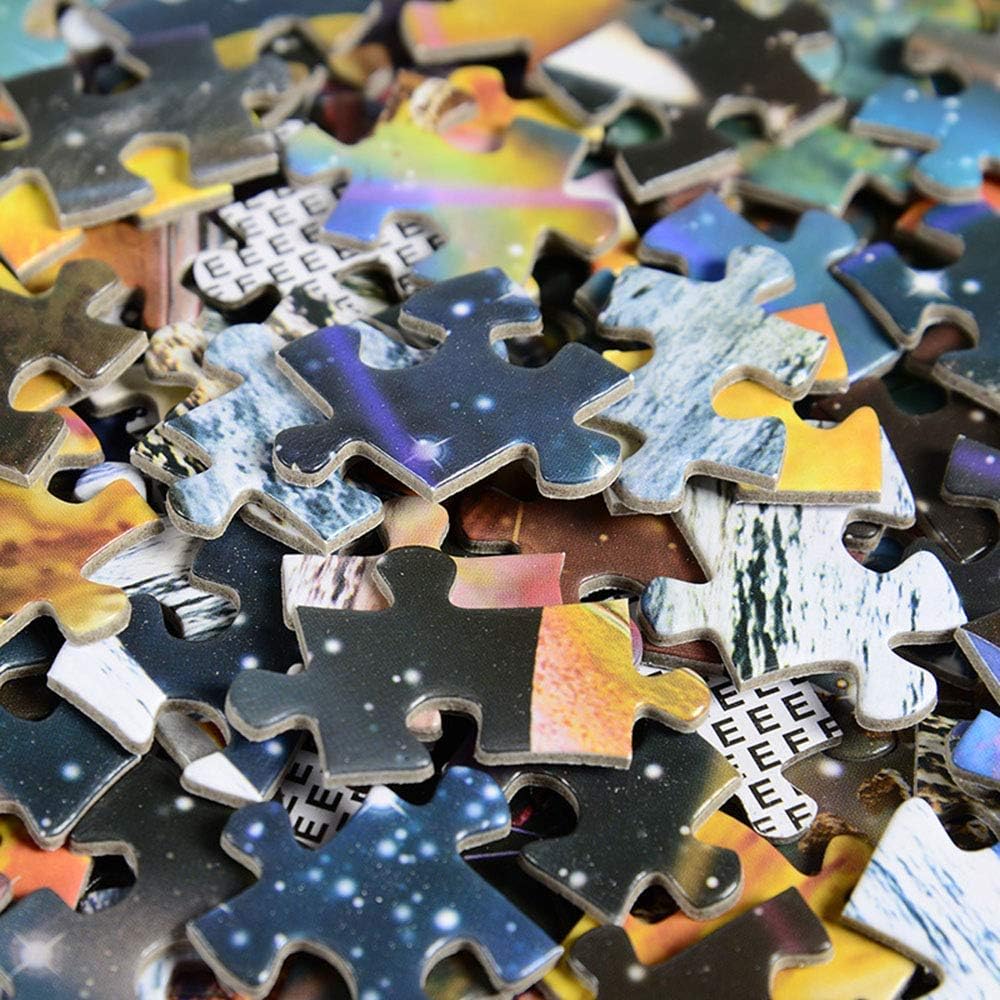
Furthermore, as we delve deeper into the world of visual puzzles, we uncover numerous possibilities for integration across various aspects of life. From enhancing academic achievements to increasing workplace efficiency, the impact of these cognitive exercises is both far-reaching and profound. Understanding their significance may inspire individuals and educators alike to embrace the multiple benefits visual puzzles offer for personal growth and collective advancement.
LEARN MORE: This related article may interest you
The Multifaceted Benefits of Visual Puzzles
When it comes to nurturing cognitive abilities, visual puzzles offer an intriguing gateway to enhancing essential skills. These puzzles, rich in variety and complexity, stimulate the brain in a manner that sharpens spatial awareness and problem-solving skills, both necessary for success across numerous domains. By delving into the mechanics behind the workings of visual puzzles, we can better appreciate how they bolster both individual skill sets and collective intelligence within communities.
Understanding the Mechanics of Spatial Awareness
Spatial awareness is the ability to comprehend the space around us, understanding how objects relate to one another. Visual puzzles, such as tangrams and 3D shape manipulatives, play a pivotal role in developing this awareness. These activities require problem solvers to visualize how various parts come together to form a whole, effectively enhancing their mental mapping capabilities. For Nigerian children, engaging with puzzles that feature local cultural motifs, like adire fabric patterns or ancient architectural designs, reinforces this learning while celebrating their rich heritage.
- Jigsaw puzzles: These classic puzzles enhance the ability to see the whole picture while analyzing individual pieces. They promote patience and critical observation.
- Rubik’s Cube: This challenging 3D combination puzzle is excellent for developing spatial reasoning and sequential problem-solving skills.
- Paper models: Creating three-dimensional models from flat shapes teaches children about folds, angles, and construction, essential elements in architecture and engineering.
Problem-Solving: The Cognitive Playground
Problem-solving skills are not just confined to academia; they permeate every facet of life. Engaging with visual puzzles cultivates an environment where critical thinking flourishes, an essential quality in the fast-evolving job market. Students who tackle complex visual puzzles often learn to generate multiple solutions to a single problem, lifestyle capabilities that are highly sought after by employers. For instance, participating in a community puzzle competition or a school trivia game can stir creativity and team collaboration, preparing students for real-world challenges.
Moreover, tackling visual puzzles promotes resilience. The trial-and-error approach commonly found in puzzle-solving equips children with the mindset to persist against challenges, fostering a growth-oriented attitude. This behavioral shift holds particular importance in Nigeria, where resourcefulness and ingenuity are vital for overcoming challenges in various sectors, including technology and entrepreneurship.
With the right tools and approaches, educators and parents can work together to integrate visual puzzles into curricula and extracurricular activities. As the benefits burgeon, children will not only improve their spatial awareness and problem-solving skills but cultivate a lifelong love for learning that equips them for the complexities of their future.
How Visual Puzzles Impact Cognitive Development
Visual puzzles, encompassing a variety of engaging formats like jigsaw puzzles, logic grids, and 3D models, serve as powerful tools in enhancing cognitive abilities. These activities necessitate critical thinking and the ability to mentally manipulate objects, making them indispensable for developing spatial awareness. Research has shown that individuals who regularly engage with such puzzles perform better in tasks involving spatial reasoning, demonstrating heightened efficiency in fields requiring these skills, such as engineering, architecture, and even fields like surgery.
The Mechanics Behind Spatial Awareness and Problem-Solving
Many visual puzzles require participants to visualize transformations and move pieces mentally, thereby stimulating the brain’s spatial reasoning areas. This challenges the solver to think outside the box and explore various configurations and solutions, leading to improved problem-solving skills. For instance, studies indicate that students exposed to visual spatial tasks show significant advances in their academic performance, particularly in mathematics and sciences, where spatial reasoning is crucial.
Real-World Applications
Beyond academic benefits, the skills honed through visual puzzles extend into everyday life. Lifelong learners can harness these skills in various professions, enhancing their ability to strategize and develop innovative solutions to complex problems. Regular engagement with visual puzzles can also foster a habit of critical decision-making, making it easier to navigate life’s challenges.
| Benefits | Aspects |
|---|---|
| Enhanced Cognitive Skills | Boosts memory retention and recall abilities. |
| Improved Problem-Solving | Encourages innovative thinking through manipulation of visual elements. |
Incorporating visual puzzles into daily routines can transform one’s cognitive abilities, laying a foundation for success across various domains. As interest in cognitive development grows, it becomes increasingly clear that engaging in puzzles is not simply a recreational activity but an essential addition to one’s personal and professional toolkit.
YOU MAY ALSO LIKE: Read read another article
Creative Thinking and Visual Puzzles: A Powerful Duo
Visual puzzles are not merely tools for sharpening spatial awareness and problem-solving skills; they are potent instruments for fostering creative thinking. In a world that increasingly values originality and innovative solutions, the ability to think outside the box often stems from engaging in activities that challenge conventional thought patterns. Visual puzzles ignite the imagination by encouraging individuals to see situations from multiple perspectives, facilitating breakthroughs in creative problem-solving.
The Role of Collaborative Engagement
One of the most significant perks of visual puzzles lies in their capacity to promote collaborative engagement. The social aspect of solving puzzles together can enhance cognitive performance as individuals share insights, brainstorm strategies, and build on each other’s ideas. This is especially pertinent for Nigerian communities, where collective strength is vital in overcoming societal challenges. Activities such as family game nights with puzzles can strengthen bonds while simultaneously honing vital skills.
Research indicates that group puzzle-solving enhances individual understanding and adaptability, creating a rich learning environment. In schools across Nigeria, incorporating team-based puzzle challenges can lead to not only improved performance but also a burgeoning sense of community among students. Groups that engage collaboratively in solving visual puzzles develop skills in negotiation and compromise—qualities indispensable in today’s fast-paced world.
Real-World Applications of Enhanced Skills
The skills acquired through visual puzzles extend far beyond the realm of leisure activities. Improved spatial awareness, for example, is particularly beneficial in fields such as architecture, engineering, and even agriculture. Nigerian students who engage in spatially oriented puzzles are likely to excel in technical subjects, thus bridging the gap between education and the thriving job market. Students aspiring to become engineers or architects can use their enhanced spatial reasoning skills to envision complex structures and understand intricate designs.
Moreover, the development of problem-solving skills through visual puzzles can lead to greater entrepreneurial success. In a country rich with entrepreneurial spirit, those who can propose innovative solutions to existing problems are often the ones to succeed. By engaging in challenging visual puzzles, young Nigerians cultivate an entrepreneurial mindset—a capacity for identifying unique opportunities and devising novel responses to social and economic issues.
Utilizing Technology to Foster Skills
With the rise of technological solutions, there are numerous digital platforms that provide interactive visual puzzles aimed at enhancing cognitive skills. Applications and online games that center on logic puzzles, spatial challenges, and pattern recognition offer accessible means for students to engage and practice. In a digital age, where mobile devices are ubiquitous in Nigeria, utilizing these technology-based platforms can facilitate constant learning outside the traditional classroom setting.
- Augmented Reality (AR) Puzzles: These immersive experiences allow users to interact with digital objects layered over real-world environments, enhancing spatial awareness by making the abstract more tangible.
- Online Escape Rooms: Teams working together to solve puzzles within a themed scenario not only foster collaboration but also require critical thinking and teamwork.
- Programming Logic Puzzles: Learning through visual programming can develop logical thinking, which is essential for success in tech-driven careers.
By leveraging the synergy of visual puzzles and technology, educators and parents can create rich opportunities that support the development of vital cognitive skills, shaping a more competent and innovative generation ready to tackle the complexities of the future.
CHECK OUT: Click here to explore more
Conclusion: Unlocking Potential Through Visual Puzzles
In conclusion, the impact of visual puzzles extends far beyond mere entertainment; they serve as essential tools for enhancing spatial awareness and problem-solving skills. Engaging in these activities allows individuals, particularly students in Nigeria, to not only improve their cognitive abilities but also to cultivate a mindset that embraces creativity. As outlined in the discussions, the combination of collaboration in group settings and the integration of technology opens up new pathways for learning and skill development. The implications of these enhanced abilities can be profound, equipping young minds to tackle complex challenges in various fields such as architecture, engineering, and entrepreneurship.
Moreover, fostering a culture that values visual puzzles in educational settings can bridge the gap between theory and practice, empowering students to navigate the fast-paced realities of today’s job market. Educators and parents alike should harness the potential of both traditional and digital puzzles to create a comprehensive learning experience. As we move further into an age defined by innovation and rapid change, the ability to think critically and solve problems creatively through the medium of visual puzzles will undoubtedly play a crucial role in shaping a brighter future for Nigeria’s youth.
In exploring the myriad benefits of visual puzzles, we encourage readers to engage with these activities not only for self-improvement but as a means to inspire community collaboration and nurture the genius inherent in every child. Ultimately, visual puzzles can transform the way individuals perceive challenges, turning them into remarkable opportunities for growth and success.