The Role of Board Games in Stimulating Cognitive Skills in Adolescents

The Power of Board Games for Cognitive Development
In the modern era, where technology often dominates leisure activities, board games remain a hidden gem, particularly for adolescents looking to enhance their cognitive skills. Engaging with board games not only serves as a source of entertainment but also acts as a powerful tool for fostering important mental faculties. This dual role underscores the potential of board games as essential learning resources.
Critical Thinking
Board games like Chess and Settlers of Catan often require players to assess their options critically. As players navigate through these games, they must evaluate the risks and rewards of their decisions, which enhances critical thinking. For instance, in Chess, players must anticipate their opponent’s moves and develop strategies several steps ahead. This kind of thinking nurtures a mindset that is essential not only in games but also in daily decision-making and problem resolution.
Problem-Solving
Games such as Clue or Codenames present players with complex puzzles or scenarios that demand creative solutions. Adolescents are faced with challenges that encourage them to adapt their strategies based on evolving gameplay. This dynamic fosters essential problem-solving skills, teaching players how to think on their feet and approach issues from multiple angles. Ultimately, these experiences can translate to better performance in academic subjects like mathematics and sciences, where problem-solving is key.
Memory Enhancement
Memory is another crucial cognitive skill bolstered through gameplay. Board games require players to remember not only their own strategies but also the actions of their opponents. Games such as Uno or Memory rely heavily on recalling specific card placements or previous moves. Such repetitive engagement with memory tasks plays a significant role in enhancing memory retention among teens, which can improve their academic retention and performance in school.
Social Skills
Perhaps one of the most rewarding aspects of board games is their capacity to enhance social skills among players. In a culturally rich country like Nigeria, where communal activities are ingrained in everyday life, board games provide a platform for face-to-face interaction and collaboration. Whether it’s the strategic negotiation in Monopoly or the cooperative spirit in Pandemic, these games encourage players to communicate effectively, foster teamwork, and develop empathy as they learn to navigate both victory and defeat together.
Cultural Relevance
In Nigeria, traditional games such as Ayo or Dambe have long existed, demonstrating the cultural importance of strategic play. By introducing contemporary board games alongside these traditional pastimes, there is an opportunity to merge entertainment with skill development. As families engage in both traditional and modern games, adolescents can benefit from a diverse range of experiences that further enhance their cognitive skills.
Recognizing the significant impact of board games on adolescent development can transform educational practices and recreational activities alike. As we embrace these engaging resources, we can help cultivate important life skills in young people. Board games, therefore, emerge not just as games, but as arenas for growth—making them a wise choice for enriching both personal and academic lives.
YOU MAY ALSO LIKE: Read read another article
Unpacking the Cognitive Benefits of Board Games
As adolescents navigate the complexities of growing up, the importance of cognitive skill development cannot be overstated. Board games serve as an engaging means to enhance various cognitive abilities that are increasingly vital in today’s fast-paced world. Here, we delve deeper into how specific cognitive skills are refined through joyful play, making the experience both educational and entertaining.
Strategic Planning
One of the standout features of many board games is their requirement for strategic planning. Games like Risk and Diplomacy invite players to think critically about their next moves, weighing long-term strategies against immediate actions. Adolescents find themselves in scenarios where they must create alliances, anticipate opponent behavior, and develop coherent plans to achieve specific objectives. The skills learned here extend beyond the game; they are applicable in real-life scenarios such as project planning and time management in academics.
Analytical Skills
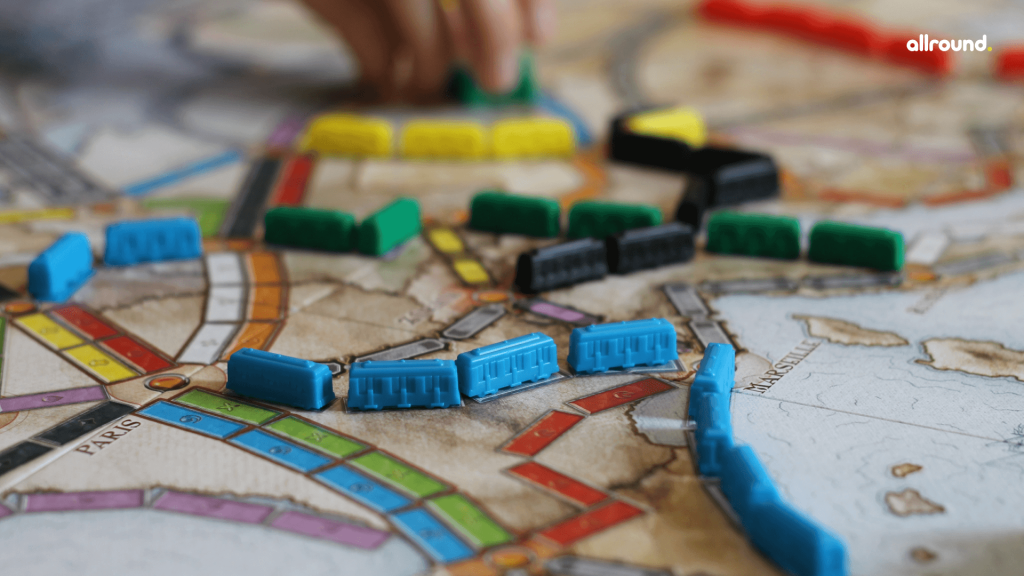
Board games are an excellent avenue for cultivating strong analytical skills. Games such as Ticket to Ride or Carcassonne require players to assess various factors before making decisions. For instance, while playing Ticket to Ride, participants must consider various routes to maximize points while minimizing their opponents’ advantages. This forms a foundation for critical analytical abilities that will benefit adolescents in fields like science, technology, engineering, and mathematics (STEM) where data interpretation is crucial. Additionally, participating in such games allows teens to practice interpreting the outcomes of their choices, enriching their understanding of cause and effect.
Decision-Making Skills
Another key cognitive skill sharpened through gameplay is decision-making. The fast-paced nature of many board games, such as Jenga or Taboo, requires quick thinking and the ability to make judgment calls under pressure. These experiences teach adolescents how to weigh options quickly, recognize opportunities, and adapt their strategies as the game unfolds. Such experiences can translate to better decision-making in life situations, whether it be peer pressure scenarios or making choices regarding their education and future careers.
Math Skills
Interestingly, board games often incorporate fundamental math skills in their mechanics. For example, games like Monopoly or Pay Day involve currency management, addition and subtraction, and even basic algebra. These math-focused games help to reinforce numerical literacy, a skill that is essential for academic success. Engaging in games that require calculation in a fun and interactive way can diminish the anxiety often associated with math in classroom settings. Furthermore, some board games may even introduce basic economic principles, giving adolescents a practical framework to understand real-world financial scenarios.
Enhanced Concentration
Despite a world filled with distractions, board games can play a vital role in improving adolescents’ concentration. The immersive nature of games demands players’ full attention, forcing teens to cultivate focus and perseverance. This enhanced ability to concentrate can carry over to their studies, helping them stay engaged and committed to tasks in increasingly distracting environments.
Ultimately, the myriad cognitive skills that adolescents develop through board games lay the groundwork for a lifetime of learning. By integrating fun with skill-building, these games not only contribute to short-term enjoyment but also to long-term cognitive growth, preparing young people for the challenges that lie ahead.
| Cognitive Skills | Impact of Board Games |
|---|---|
| Critical Thinking | Board games require players to analyze situations and make strategic decisions, enhancing their ability to assess problems critically. |
| Social Skills | Engaging in multiplayer board games promotes teamwork and communication, essential for social development in adolescents. |
| Memory Enhancement | Many board games rely on memorizing rules and strategies, which contributes to better memory retention in young players. |
| Problem Solving | Board games present puzzles and challenges that require innovative solutions, fostering creativity and adaptability. |
Board games serve as a remarkable medium for adolescents to develop a wide range of cognitive skills. The intricate gameplay mechanics demand not just basic operations, but also the application of abstract concepts like probability and tactical reasoning. Moreover, through frequent interactions in a game setting, adolescents can organically improve their social intelligence, as they learn to navigate conversations and reinforce their peer relationships.Recent studies suggest that children who regularly play board games tend to exhibit enhanced problem-solving capabilities in academic settings. This intriguing correlation opens up a wider conversation about the potential of board games as educational tools. Engaging with games invites a level of intellectual challenge that static learning materials often lack. Furthermore, the emotional and psychological facets of teamwork brought about by board games also serve to build resilience and confidence in young players, adding yet another layer to their multifaceted development. Exploring the diverse world of board games may grant valuable insight into their roles not just as entertainment but as strategic instruments for fostering essential cognitive skills during adolescence.
ADDITIONAL INSIGHTS: Expand your understanding here
Interactive Learning Through Board Games
Beyond the cognitive skills previously discussed, board games offer a unique platform for interactive learning that can significantly influence adolescent development. The collaborative nature of many board games encourages social interaction, which is crucial during these formative years. This social aspect not only fosters relationships but also enhances skills like empathy and communication through meaningful exchanges.
Social Skills Development
Board games inherently require players to engage with each other, making them perfect tools for honing social skills. Adolescents are often thrown into scenarios that require negotiation, persuasion, and conflict resolution. Games such as Catan or The Resistance demand that players articulate their strategies, respond to others, and build alliances. In Nigeria, where communal ties are especially cherished, these interactions reinforce cultural values of cooperation and mutual respect. The ability to navigate complex social dynamics during gameplay prepares teens for real-world interactions, whether in school settings or at social gatherings.
Creativity and Imagination
Many board games also ignite creativity and imagination through storytelling and scenario building. Games like Dungeons & Dragons allow players to create their own narratives, employing imagination in forming characters, settings, and plots. This kind of creative gameplay can spur interest in literature, writing, and the arts, which are crucial areas for holistic development. Additionally, engaging in such imaginative play enhances problem-solving abilities, as players often face unexpected challenges that demand innovative solutions. For adolescents in Nigeria, this imaginative play can be linked to cultural stories and folklore, integrating traditional narratives with modern gaming.
Emotional Intelligence
Furthermore, board games can serve as a conduit for developing emotional intelligence, an increasingly sought-after skill in both personal and professional settings. As adolescents navigate the highs and lows of gameplay, they learn to manage their emotions and understand those of others. By engaging with various character types and scenarios, players practice empathy and self-regulation. Games like Pictionary can encourage individuals to read emotions and body language, enhancing social awareness. In environments where emotional expression may sometimes be overlooked, board games provide a safe space to explore these feelings openly.
Conflict Resolution
Playing board games also presents countless opportunities for conflict resolution, as disagreements and competitive tensions can arise during gameplay. Adolescents learn to navigate disputes or strategize ways to negotiate their way out of conflicts, skills that extend well beyond the gaming table. In a diverse setting like Nigeria, where community interactions can quickly shift and escalate, honing these skills is essential. Board games teach the value of patience, strategy, and compromise, beneficial traits for engaging with peers in both friendly and competitive contexts.
As adolescents develop through board games, the intersection of cognitive growth, social skills, and emotional learning creates a rich tapestry of experiential learning. Each game session delivers valuable lessons that resonate in academic and life situations, reinforcing the notion that learning can truly be fun and interactive.
RECOMMENDED: Check out this similar article
Conclusion: Unleashing Potential Through Board Games
In summary, the exploration of board games reveals a treasure trove of opportunities for adolescents to enhance their cognitive skills in a dynamic and engaging way. As we have discussed, the multifaceted nature of these games bolsters not only critical thinking and problem-solving abilities but also nurtures social skills and emotional intelligence. This unique blend of benefits creates an environment where learning becomes a shared adventure.
Particularly in the context of Nigeria, where community and cultural values strongly influence social interactions, board games serve as a means to reinforce these principles while promoting healthy competition and teamwork. Adolescents learn vital lessons in negotiation, patience, and compromise—skills that are imperative as they transition into adulthood and navigate the complexities of interpersonal relationships. Moreover, the incorporation of storytelling and imagination within many games can inspire creativity and encourage a deeper appreciation for local folklore and history.
As parents, educators, and community leaders seek innovative ways to foster learning among young individuals, the adoption of board games in educational and recreational settings emerges as a valuable tool. Thus, rather than viewing board games solely as a source of entertainment, we should recognize their profound potential to shape well-rounded individuals equipped with the cognitive and social skills necessary for success. Ultimately, the role of board games in promoting holistic development should not be underestimated, as they lie at the intersection of fun, learning, and personal growth. This opens the door for further research and exploration into the immense advantages they hold for the next generation.