
Unveiling the Mysteries of Strategy Games: How They Enhance Critical Thinking
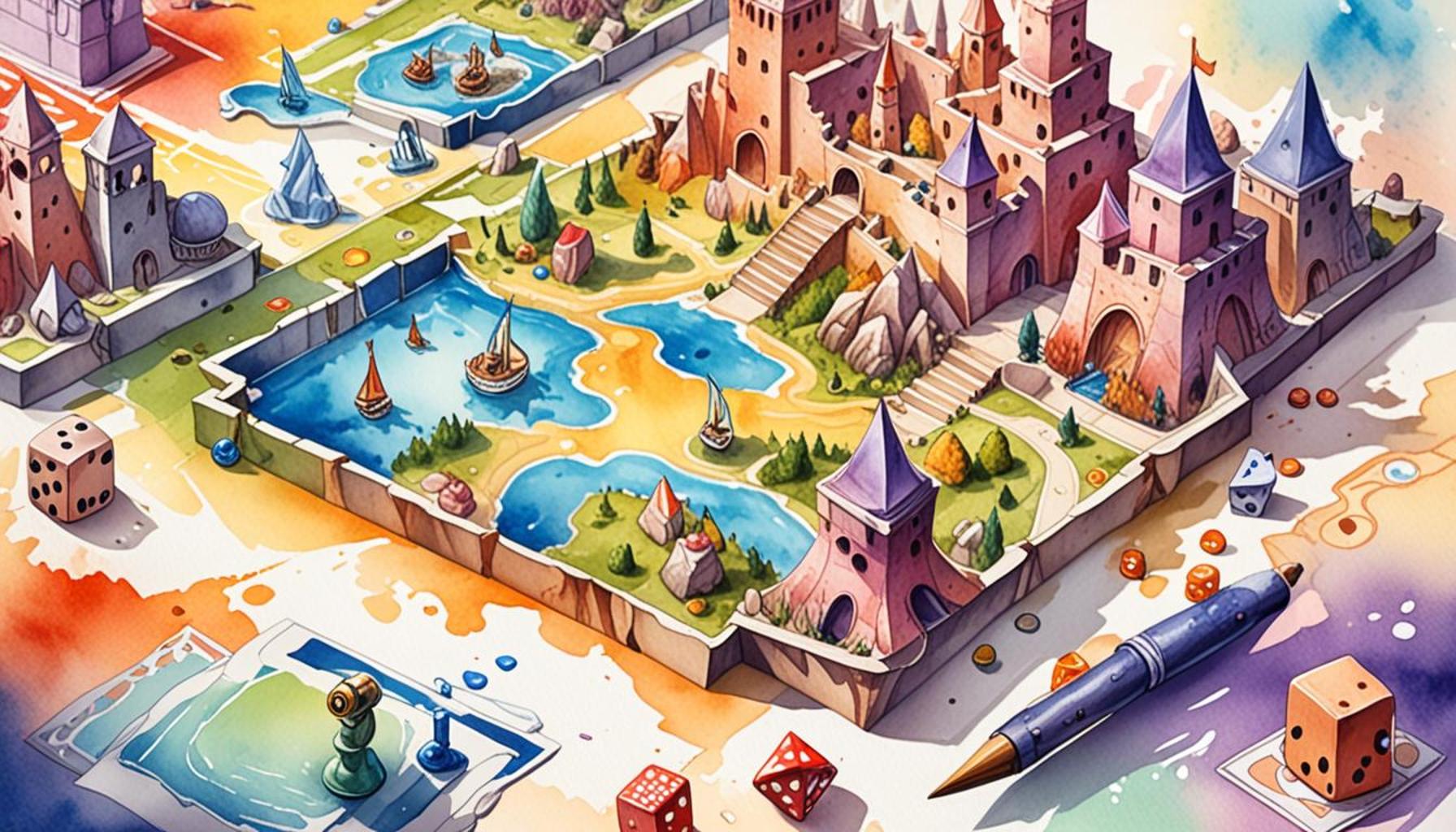
Understanding the Appeal of Strategy Games
Strategy games have captivated millions around the globe, engaging players in complex decision-making scenarios. In Nigeria, this interest is growing as more individuals discover the profound effects these games have on cognitive abilities. But what exactly makes these games so compelling and beneficial? To delve deeper, we can explore the distinct attributes that set strategy games apart from other genres, along with their positive impacts on players, particularly in the context of personal development and education.
One of the fundamental aspects of strategy games is Resource Management. Players must effectively allocate limited resources, be it time, materials, or manpower, to achieve their goals. A perfect example can be found in games like “Civilization,” where players build and manage empires, making careful choices about where to spend resources. This critical thinking aspect not only keeps players engaged but also mirrors real-life situations where resource allocation can determine success or failure.
Another intriguing feature is Planning Ahead. Each move requires foresight, influencing future outcomes in the game. In games such as “StarCraft,” players must predict opponents’ strategies while simultaneously coordinating their own plans, emphasizing the importance of strategic foresight. This necessity for planning cultivates skills such as goal-setting and long-term thinking, which can be incredibly helpful in academic and professional scenarios.
Moreover, the idea of Adaptive Strategies adds an exciting layer to these games. Players need to adapt their tactics based on opponents’ actions, fostering quick thinking and resilience in an ever-changing environment. In a multiplayer strategy game like “Dota 2,” adjusting to opponents’ strategies can mean the difference between winning and losing the match, teaching players the value of flexibility in their approach. This experience can translate to real-world adaptability, a crucial skill in Nigeria’s dynamic job market.
Research highlights that engaging with strategy games can significantly enhance critical thinking skills. This is particularly relevant in a world where problem-solving abilities are essential for personal and professional success. As individuals navigate the virtual landscapes of these games, they unknowingly sharpen skills that can be applied in real-life situations. The cognitive development derived from playing these games is becoming increasingly recognized, with educators worldwide embracing them as tools for fostering critical thought.

Furthermore, with Nigeria’s growing tech community, the potential for utilizing strategy games in educational settings is immense. They serve not just as entertainment but also as powerful tools for learning and development. Local initiatives are emerging, aimed at integrating these games into classrooms to bolster critical thinking among youth. For instance, workshops and events held in cities like Lagos and Abuja are using strategy games to engage students and stimulate their analytical capabilities.
As the popularity of strategy games continues to rise, there is an exciting possibility that this could be the key to unlocking a new generation of thinkers and innovators in Nigeria. By blending entertainment with educational value, strategy games offer a unique avenue for developing essential skills that equip individuals for future challenges. With this growing interest, Nigeria stands at the cusp of a transformative period in leveraging digital tools to cultivate the next wave of problem solvers and leaders.
ADDITIONAL INSIGHTS: Expand your understanding here
Key Attributes of Strategy Games That Foster Critical Thinking
At their core, strategy games are not merely forms of entertainment; they are intricate systems that challenge players to think critically and strategically. By immersing themselves in virtual worlds, players navigate complex challenges that require more than just luck. Here are some pivotal attributes that showcase how strategy games enhance critical thinking skills:
- Complex Problem Solving: Strategy games often present players with multifaceted problems that lack straightforward solutions. For example, in resource-heavy games like “Age of Empires,” players must not only construct their civilizations but also defend against enemy invasions while managing economic growth. These scenarios push players to analyze information critically and devise effective strategies by weighing the risks and benefits of their decisions.
- Data Analysis: In many strategy games, players are bombarded with information that must be interpreted and acted upon swiftly. Whether evaluating the strengths and weaknesses of different units in “Total War” or scouting opponents in “XCOM,” players enhance their ability to digest and analyze data quickly. This data analysis is a real-world skill that translates well into fields such as business, engineering, and science, where making informed decisions based on data is imperative.
- Collaboration and Communication: Multiplayer strategy games, including “League of Legends,” require effective teamwork and communication among players. Success often hinges on each participant’s ability to share information and cooperate. This collaboration fosters skills such as empathy, negotiation, and collective problem-solving, which are essential in both academic and professional environments. For the burgeoning tech community in Nigeria, these collaborative skills are vital as innovation often thrives in interpersonal interactions.
- Scenario Planning: The practice of imagining different future scenarios based on current actions is crucial in strategy games. Players learn to anticipate consequences and explore “what-if” situations, honing their ability to forecast and prepare for multiple outcomes. This skill set is particularly beneficial in Nigeria, where young professionals find themselves navigating a competitive job market rife with uncertainties.
Such attributes of strategy games contribute significantly to enhancing players’ critical thinking skills. As players engage with various levels and complexities, they develop an adaptable mindset and are taught to approach challenges from multiple angles. This can lead to improved decision-making abilities and an enhanced capability to tackle unforeseen problems in their everyday lives.
Moreover, the educational potential of strategy games is gaining traction. Educators in Nigeria are recognizing the value of integrating these games into the learning curriculum. By incorporating elements of gaming into lessons, they encourage students to engage more deeply with material and foster a love for learning through interactive experiences. Workshops and gaming clubs in schools are already serving as platforms where young minds can explore critical thinking in a stimulating environment, setting a foundation for future academic and career successes.
As excitement builds around strategy games, it’s clear that their influence extends beyond entertainment, serving as crucial tools in developing the next generation of strategic thinkers and problem solvers in Nigeria.
Understanding the Mechanics of Strategy Games
Strategy games are not merely pastimes; they are intricate systems that provoke thought and challenge players on multiple levels. Players must engage in critical thinking and decision-making processes that require a deep understanding of game mechanics, resource management, and opponent behavior. The essence of these games lies in their ability to simulate real-world scenarios, allowing players to practice analytical skills in a safe and entertaining environment.
The Cognitive Benefits of Engaging in Strategy
When immersed in strategy games, individuals harness various cognitive skills that serve them well beyond the gaming interface. These games often involve complex narrative threads and multi-layered problems to solve, promoting creative thinking and problem-solving abilities. Players are faced with choices that affect the game’s outcome, encouraging them to weigh options systematically and anticipate the consequences of their actions. This continuous loop of analysis and response sharpens the mind and fosters a proactive approach to challenges—an invaluable skill set in everyday life.
Social Interaction and Team Dynamics
Moreover, strategy games often promote collaboration and teamwork, particularly in multiplayer formats. Players must communicate effectively and devise strategies collectively, enhancing their interpersonal skills and understanding of social dynamics. Navigating these social interactions is crucial, as it teaches players how to negotiate, persuade, and cooperate with others while respecting differing viewpoints. These experiences translate into real-world situations, underlining the importance of teamwork and collaboration in achieving common goals.
Table of Key Advantages in Strategy Games
| Category | Key Features |
|---|---|
| Critical Analysis | Players assess numerous variables to form strategies that lead to victory. |
| Resource Management | Games require allocation of resources for optimal outcomes, fostering strategic thinking. |
Exploring the depths of strategy games unveils their potential to transcend ordinary gameplay and emerge as profound tools for mental growth and social engagement. Their multilayered challenges encourage players to not only think critically but also thrive in collaborative environments, paving the way for deeper insights into human behavior and thought processes. As players navigate these virtual worlds, they unknowingly cultivate skills that are essential for personal and professional development.
ADDITIONAL INSIGHTS: Expand your understanding here
The Transformative Benefits of Strategy Games for Personal Development
As we delve deeper into how strategy games enhance critical thinking skills, it becomes apparent that their impact reaches far beyond the screen. These engaging games play a pivotal role in shaping personal development, reinforcing skills that are essential for life in Nigeria’s dynamic socio-economic environment. Here are additional transformative benefits that strategy games offer:
- Strategic Planning and Adaptability: In strategy games, players are often placed in evolving situations that require rapid adjustments to their plans. A game like “Civilization” necessitates long-term strategy, where players must adapt to changes such as resource shortages or unexpected attacks. This adaptability cultivates a mindset that emphasizes finding innovative solutions to real-world problems. For young Nigerians navigating an increasingly unpredictable environment, cultivating adaptability can be crucial as they face various challenges, from economic shifts to social trends.
- Leadership Skills: Many strategy games place players in positions of leadership, where they must command units or lead teams. Games such as “StarCraft” require players to make executive decisions that can affect outcomes on multiple fronts. This element of leadership fosters skills such as confidence in decision-making and the responsibility of one’s choices. Developing these skills can be incredibly beneficial in Nigerian contexts, whether in student leadership roles or eventual career advancements.
- Time Management: The nature of strategy games typically requires players to make split-second decisions while simultaneously managing multiple tasks. In games where every moment counts—like “Command & Conquer”—players find themselves balancing offensive operations with defensive preparations. This chaotic environment serves as a practical lesson in prioritizing time efficiently and enhances the ability to manage multiple projects, a critical skill in academics and the professional world.
- Emotional Resilience: The challenges faced in strategy games are often setbacks that test emotional stamina. Players must learn to cope with failure, recalibrate their strategies, and return to the game with renewed focus. This emotional resilience, honed through setbacks and victories alike, builds a strong foundation for coping with the pressures of academic pursuits, professional responsibilities, and personal challenges that many young Nigerians experience daily.
The gaming community in Nigeria is also flourishing, with an increasing number of tournaments and events, fostering camaraderie and competition among players. This burgeoning network allows for skill-sharing and mentorship, further enhancing critical thinking skills as players discuss strategies and outcomes. Collaborative storytelling in games cultivates shared experiences, promoting a sense of belonging and community, which is vital in a country diverse in cultures and languages.
As educators and parents recognize these benefits, they are increasingly viewing strategy games as valuable educational tools. Schools and organizations are beginning to offer workshops where games are incorporated into curricula, demonstrating a commitment to teaching young people not only academic skills but also essential life skills. By embracing the potential of strategy games, Nigeria can empower its youth to become strategic thinkers who are well-prepared to tackle the complexities of an evolving global landscape.
The unique attributes of strategy games provide a platform for learners to engage with critical thinking in a practical manner, ensuring they are equipped with the skills necessary to navigate the challenges of the future and contribute meaningfully to their communities.
RECOMMENDED: Check out this similar article
Conclusion: The Future of Critical Thinking Through Strategy Games
In a rapidly changing world, the significance of critical thinking cannot be overstated, especially for the youth in Nigeria grappling with complex socio-economic challenges. As we’ve explored, strategy games serve as an innovative medium for developing this vital skill set, offering unique opportunities for personal growth and intellectual engagement. Engaging with games like “Civilization” or “StarCraft” does not merely provide entertainment; rather, it instills a diverse range of skills, from strategic planning to emotional resilience.
These benefits are underscored by the burgeoning gaming community in Nigeria, which nurtures collaboration and discourse among players, turning competition into a constructive platform for skill enhancement. As more educators recognize the educational potential of strategy games, we’re witnessing a paradigm shift that reframes gaming as a powerful tool for learning and development. Schools are beginning to adopt games-based learning approaches, equipping students with essential life skills alongside academic knowledge.
Looking ahead, it is crucial for stakeholders—educators, parents, and students—to embrace the potential of these games. By leveraging the immersive and interactive nature of strategy gaming, the future generation can be prepared to face the complexities of life with confidence and creativity. Ultimately, the mysteries of strategy games are not just about play; they reveal a pathway to becoming adept critical thinkers who can contribute significantly to society, making the embrace of this gaming culture not only a source of entertainment but also a fundamental component of education and personal development in Nigeria.